
A Masterclass in Versatility: Chase Freedom Unlimited®
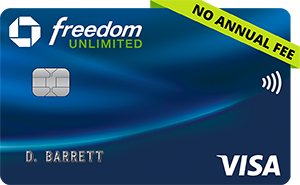
In the landscape of cash back credit cards, the Chase Freedom Unlimited® is not just another card—it's a versatile, strategic tool hiding in plain sight. While many cards dazzle with high, but restrictive, bonus categories, the Freedom Unlimited® offers a reliable and robust foundation for everyday spending, wrapped in the flexible and potent ecosystem of Chase Ultimate Rewards. It's a financial workhorse for both the minimalist and the maximizer, a masterstroke of balanced utility.
For the average consumer, its beauty lies in its elegant simplicity. There's no mental gymnastics required to figure out where to earn rewards, no worrying about rotating bonus categories. It offers a solid 1.5% cash back on all purchases, a rate that adds up effortlessly on everything from a latte to a large medical bill. On top of that, it provides impressive bonus multipliers on common expenses: 5% on travel booked through Chase Travel℠, 3% on dining (including takeout and delivery), and 3% at drugstores. This structure means you're always earning a competitive rate, and often an exceptional one, without changing your spending habits.
Yet, for those who seek to push the boundaries of their rewards, the Chase Freedom Unlimited® reveals its hidden genius. When paired with a premium Chase card like the Sapphire Preferred or Sapphire Reserve, this unassuming cash back card transforms into a travel-hacking powerhouse. The cash back it earns is actually an equivalent amount of valuable Ultimate Rewards points, which can be pooled with points from other Chase cards. These combined points can then be transferred to Chase's airline and hotel partners, like World of Hyatt or United, where their value can be significantly higher than a simple cash back redemption, often exceeding 2 cents per point. This makes the 1.5% "everything else" category effectively worth much more, turning routine purchases into future flights and hotel stays.
Beyond the rewards, the card packs in a generous suite of benefits for a card with no annual fee. Travel protections, including trip cancellation insurance and an auto rental collision damage waiver, provide a safety net for your adventures. On the shopping front, purchase protection and extended warranty coverage shield your new purchases from theft, damage, and early failure. And with a lengthy introductory 0% APR period on purchases and balance transfers, it provides a valuable cushion for new purchases or managing existing debt.
Ultimately, the Chase Freedom Unlimited® stands as a testament to the power of a well-designed card. It's a simple, reliable daily driver for those who want straightforward rewards but offers a hidden world of advanced redemption possibilities for those with bigger ambitions. It’s not just a credit card; it’s a strategic entry point into the lucrative Chase ecosystem, delivering exceptional value whether you redeem your points for a statement credit or a business-class flight.
Ready to apply?
Related Articles
Found this guide helpful? Save this for later as you continue your financial journey!
Compare a variety of credit card offers.
The Ollo Everyday Rewards card is worth considering if you have bad to good credit and want a credit card with no annual fee and cash-back rewards on everyday purchases. You can see if you're pre-approved with no impact to your credit score.
FICO® Credit Scores
A FICO® Score is a proprietary credit score created by the Fair Isaac Corporation (FICO). About 90% of top U.S. lenders use it to make lending decisions.
FICO® Score Ranges:
- Exceptional: 800–850
- Very Good: 740–799
- Good: 670–739
- Fair: 580–669
- Poor: 300–579
FICO categorizes scores as Poor, Fair, Good, Very Good, and Exceptional.
What is a Credit Score?
A credit score is a three-digit number (300–850) predicting your creditworthiness. Lenders use it to evaluate risk and determine rates and terms for credit.
Why it matters: A higher score can help you qualify for loans and lower interest rates. A lower score can lead to higher borrowing costs or application denials.

FICO® Credit Score Facts
- Three-Digit Number: Summarizes your credit risk.
- Range: 300–850; higher scores = lower risk.
- Data Source: Uses your credit reports from Experian, Equifax, and TransUnion.
- Industry Standard: Lenders rely on FICO for mortgages, auto loans, and credit cards.

Note: Credit scores reflect your creditworthiness but do not guarantee approval for any credit product.
Security Notice: All participating issuers use secure application systems protected by Transport Layer Security (TLS) encryption to help protect your information.
*See the online credit card applications for details about terms and conditions of credit card offers. Reasonable efforts are made to maintain accurate information. However all credit card information is presented without warranty. When you click on the " Apply Now " button you can review the credit card terms and conditions on the credit card issuer's web site.
Advertiser Disclosure: The card offers that appear on this site are from companies from which Gettingacreditcard.com may receive compensation when a customer clicks on a link, when an application is approved, or when an account is opened. This compensation may impact how and where products appear on this site (including, for example, the order in which they appear). Gettingacreditcard.com does not include all card companies or all card offers available in the marketplace.