
The Ultimate Guide to Cash Back Credit Cards
Cash back credit cards are a simple, transparent, and rewarding way to use credit. For many, they are a primary financial tool, turning everyday expenses into valuable rewards. But with a wide array of options—from flat-rate to rotating category cards—understanding which one is right for you requires a strategic approach. This ultimate guide will serve as your hub for all things cash back, exploring what they are, how they work, and the strategies you can use to maximize your earnings without paying a yearly cost. For those just starting their credit journey, a no-annual-fee cash back card is an excellent option. Find the best choices in our guide on Cash Back Cards for Beginners: The Best Options to Start with No Annual Fee.
Dive deeper with our specific articles on The Best No Annual Fee Credit Cards: Maximize Rewards Without the Cost, Rotating vs. Flat-Rate Cash Back: Which is Right for You?, and How to Maximize Your Cash Back Rewards: Advanced Strategies.
What is a cash back credit card?
A cash back credit card rewards you with a percentage of your eligible spending in the form of cash. Unlike points or miles, which can have fluctuating values, cash back is straightforward and flexible. It can typically be redeemed as a statement credit, a direct deposit into a bank account, or for gift cards. This makes it a popular and easy-to-understand form of credit card reward. For most cash back earned on spending, the IRS considers it a rebate and it is not taxable, though there are exceptions. We go into detail on this in our guide to the Tax Implications of Credit Card Cash Back.
The different types of cash back cards
Cash back cards generally fall into three main categories, each with its own strategy for maximizing rewards.
-
Flat-Rate Cash Back: These cards offer a single, consistent cash back percentage on all purchases, regardless of the spending category.
- Best for: Consumers who prefer simplicity and don't want to track bonus categories. It's a "set it and forget it" approach to earning rewards.
- Strategy: Simply use the card for all your spending to earn a consistent return.
-
Rotating Category Cash Back: These cards offer a high cash back percentage (e.g., 5%) in specific categories that change every quarter, up to a quarterly maximum. All other spending earns a lower, standard rate.
- Best for: Strategic spenders who are willing to activate bonus categories each quarter.
- Strategy: Activate the bonus category every quarter and use that card for all spending within that category. For all other spending, use a flat-rate or other rewards card.
-
Tiered Rewards Cash Back: These cards offer different cash back percentages for different spending categories all year round.
- Best for: Consumers with consistent spending habits in specific areas, like groceries, dining, or gas. For more on this, see our guide on How to Maximize Cash Back Rewards on Groceries.
- Strategy: Use the card for all spending within its highest-earning categories.
How to choose the right cash back card for you
Choosing the right card involves matching your spending habits to the card's reward structure.
- Analyze your spending: Review your past bank statements to identify your top spending categories. If your spending is varied and unpredictable, a flat-rate card may be best. If you spend heavily in consistent categories, a tiered rewards card could be more lucrative.
- Consider your effort level: Are you willing to track rotating categories and activate them each quarter? Or do you prefer the simplicity of a flat-rate card? Your answer will determine which reward structure is best for your lifestyle.
- Evaluate fees and APR: Most cash back cards have no annual fee, but it's always important to check. For more information on avoiding annual fees, see our article on The Best No Annual Fee Credit Cards: Maximize Rewards Without the Cost. Also, remember that if you carry a balance, the interest you pay will quickly erase any rewards you earn.
Cash back redemption: What you need to know
Understanding your redemption options ensures you get the most value from your rewards. For a deeper dive into all your options, read our guide on Cash Back Redemption: How to Get the Most from Your Rewards.
- Common Redemption Methods: Most cards offer statement credits, direct deposits, or gift cards.
- Best Value: Direct deposit is often the most flexible redemption option, as it gives you cash in your bank account that you can use for anything.
- Points vs. Cash Back: Some rewards cards earn "points" that can be redeemed for cash back at a fixed rate. Others earn cash back directly. Be sure you understand the difference to get the best value.
Advanced strategies for maximizing cash back
Once you have a cash back card, you can implement advanced strategies to maximize your earnings.
- Pairing Cards: A common strategy is to pair a flat-rate card with a rotating category or tiered rewards card. Use the specialized card for bonus spending and the flat-rate card for everything else.
- Strategic Redemptions: Be mindful of when and how you redeem your rewards. Some issuers offer slightly higher value for gift card redemptions at certain merchants.
- Leverage Introductory Offers: Many cash back cards offer a large sign-up bonus for new cardholders. Taking advantage of these bonuses can significantly boost your initial earnings.
For more advanced tips and tricks, see our article on How to Maximize Your Cash Back Rewards: Advanced Strategies.
Related Credit Card Articles
Explore more in-depth guides:
Maximize rewards without paying annual fees. 💳 Rotating vs. Flat-Rate Cash Back
Choose the best reward structure for your spending. 📈 Advanced Cash Back Strategies
Take your rewards to the next level. 💳 Cash Back Redemption Guide
Get the most value from your rewards. 💳 Cash Back Cards for Beginners
Start earning rewards the easy way.
Examples of Cash Back Credit Cards
Below is list of Cash Back Credit Cards that are available to apply for online.
Costco Anywhere Visa® Card by Citi
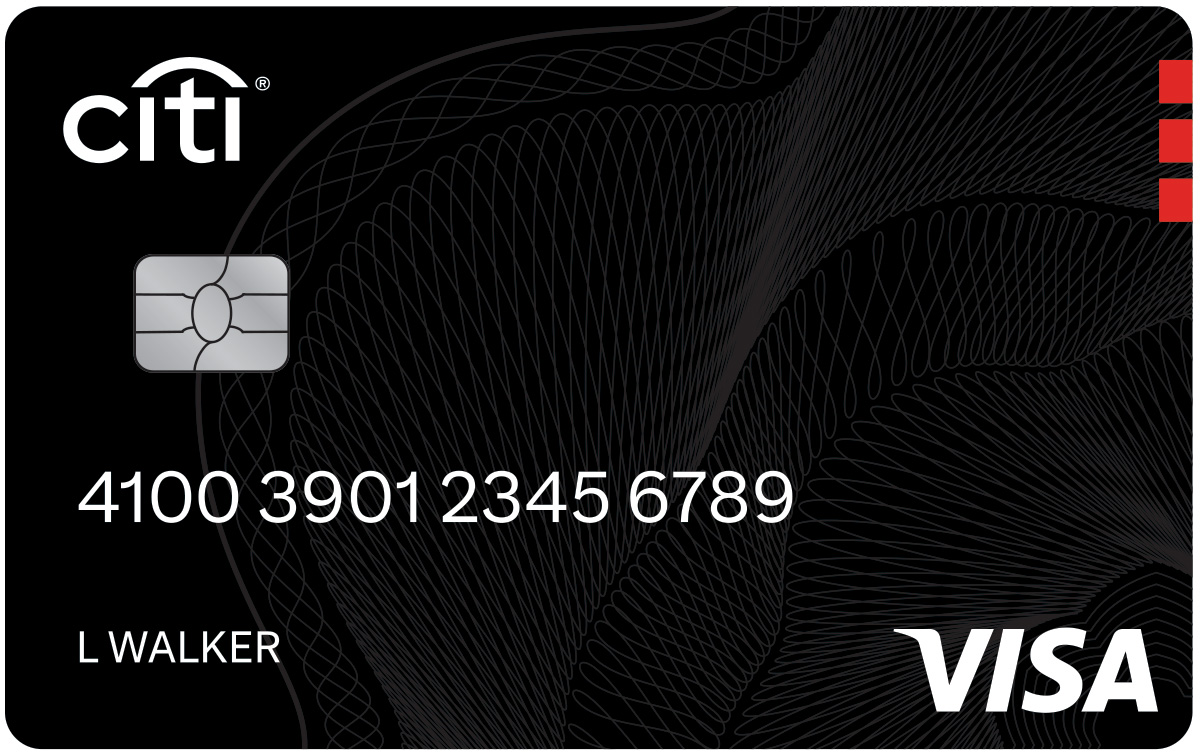
- Discover one of Citi's best cash back rewards cards designed exclusively for Costco members
- Earn 5% cash back rewards on gas at Costco and earn 4% cash back on other eligible gas and electric vehicle (EV) charging purchases for the first $7,000 combined spend per year, and then 1% thereafter.
- 3% cash back on restaurants and eligible travel purchases and eligible travel, including Costco Travel.
- 2% cash back on all other purchases from Costco and Costco.com
- 1% cash back on all other purchases
- No annual fee with your paid Costco membership and enjoy no foreign transaction fees on purchases
- Receive an annual credit card reward certificate, which is redeemable for cash or merchandise at U.S. Costco warehouses, including Puerto Rico
Destiny® Mastercard® - Up to 3% Cashback Rewards
- A rewards card for people with less-than-perfect credit!
- Fuel your savings! Get 3% Cashback Rewards on your first $5,000 in gas, grocery, restaurant, & mobile phone service purchases!
- A guaranteed $700 credit limit to help you build access to credit, if approved.
- With Cashback Rewards, you get to live like an A-lister.
- Zero Fraud Liability - Peace of mind that comes with having a Mastercard.
- Join over a million consumers who use the Destiny Mastercard to help build their access to credit.
- No security deposit required—get started today!
- CLICK HERE TO APPLY ONLINE
Milestone® Mastercard® 1.5% Cashback Rewards
- Turn everyday purchases into 1.5% Cashback Rewards!
- A guaranteed $700 credit limit to help get your financial goals on track, if approved.
- Apply with Confidence! No Impact to your credit score if you cannot be approved. See terms.
- No upfront security deposit required so you can keep more money in your pocket.
- Join over a million consumers who are working on building their access to credit.
- Zero Fraud Liability - Peace of mind that comes with having a Mastercard.
- A rewards card for people with less than perfect credit!
- CLICK HERE TO APPLY ONLINE
Aspire® Cash Back Rewards Mastercard
- Earn Cash Back Rewards* – 3% on Eligible Gas, Groceries, and Utilities, and 1% on All Other Eligible Purchases
- Up to $1,000 credit limit subject to credit approval
- Prequalify** without affecting your credit score
- No security deposit
- Free Access to your Credit Score†
*See Program Terms for important information about the cash back rewards program.
** Prequalify means that you authorize us to make a soft inquiry into your credit history (that will not affect your credit) to create an offer. If you accept an offer a hard inquiry will be made. Final approval is not guaranteed if you do not meet all applicable criteria (including adequate proof of ability to repay). Income verification through access to your bank account information may be required.
† Your credit score will be available in your online account starting 60 days after your account is opened. (Registration required.) The free VantageScore 4.0 credit score provided by TransUnion® is for educational purposes only. This score may not be used by The Bank of Missouri (the issuer of this card) or other creditors to make credit decisions.
Fortiva® Cash Back Rewards Mastercard
- Earn Cash Back Rewards* – 3% on Eligible Gas, Groceries, and Utilities, and 1% on All Other Eligible Purchases
- Use Anywhere Mastercard is Accepted
- No Security Deposit
- $0 fraud liability**
- Free access to your Credit Score†
*See Program Terms for important information about the cash back rewards program.
**Fraud liability subject to Mastercard rules.
† Your credit score will be available in your online account starting 60 days after your account is opened. (Registration required.) The free VantageScore 4.0 credit score provided by TransUnion® is for educational purposes only. This score may not be used by The Bank of Missouri (the issuer of this card) or other creditors to make credit decisions. - CLICK HERE TO APPLY ONLINE
Avant Cash Back Rewards Card
- 2% Unlimited Cash Back on Every Purchase, Everywhere Mastercard is accepted†
- No Limit on Monthly Rewards Earned
- Fast and easy application process
- Conveniently Pay Your Card Through Our Online Portal, 24/7
- Disclosure: If you are charged interest, the charge will be no less than $1.00
- Avant branded credit products are issued by WebBank
- Eligibility for a card is not guaranteed. Your eligibility for a card depends on the information you provide in your application
- ^See the Provider’s terms for more information
- † See the Rewards Terms and Conditions for more information
- CLICK HERE TO APPLY ONLINE
*See application for additional details
Found this guide helpful? Save this for later as you continue your financial journey!
Compare a variety of credit card offers.
FICO® Credit Scores
A FICO® Score is a proprietary credit score created by the Fair Isaac Corporation (FICO). About 90% of top U.S. lenders use it to make lending decisions.
FICO® Score Ranges:
- Exceptional: 800–850
- Very Good: 740–799
- Good: 670–739
- Fair: 580–669
- Poor: 300–579
FICO categorizes scores as Poor, Fair, Good, Very Good, and Exceptional.
What is a Credit Score?
A credit score is a three-digit number (300–850) predicting your creditworthiness. Lenders use it to evaluate risk and determine rates and terms for credit.
Why it matters: A higher score can help you qualify for loans and lower interest rates. A lower score can lead to higher borrowing costs or application denials.
FICO® Credit Score Facts
- Three-Digit Number: Summarizes your credit risk.
- Range: 300–850; higher scores = lower risk.
- Data Source: Uses your credit reports from Experian, Equifax, and TransUnion.
- Industry Standard: Lenders rely on FICO for mortgages, auto loans, and credit cards.
Note: Credit scores reflect your creditworthiness but do not guarantee approval for any credit product.
Security Notice: All participating issuers use secure application systems protected by Transport Layer Security (TLS) encryption to help protect your information.
*See the online credit card applications for details about terms and conditions of credit card offers. Reasonable efforts are made to maintain accurate information. However all credit card information is presented without warranty. When you click on the " Apply Now " button you can review the credit card terms and conditions on the credit card issuer's web site.
Advertiser Disclosure: The card offers that appear on this site are from companies from which Gettingacreditcard.com may receive compensation when a customer clicks on a link, when an application is approved, or when an account is opened. This compensation may impact how and where products appear on this site (including, for example, the order in which they appear). Gettingacreditcard.com does not include all card companies or all card offers available in the marketplace.