
Grocery Rewards Credit Cards for Cash Back & Supermarket Savings
If you spend heavily on groceries each month, choosing the right grocery rewards credit card can significantly reduce your overall expenses. The best cards offer elevated cash back, points, or rewards specifically for supermarket purchases, helping you turn everyday spending into meaningful savings.
How Grocery Rewards Credit Cards Work
Grocery rewards credit cards are designed to give higher returns on supermarket purchases compared to general spending. Some cards offer flat-rate cash back on all purchases, while others provide bonus categories specifically for grocery stores, wholesale clubs, or even meal delivery services.
Depending on the card, rewards may be earned as cash back, points, or travel miles. Many top grocery cards also include additional categories like dining, gas, or streaming services, allowing you to maximize rewards beyond just food purchases.
Why Grocery Rewards Cards Are Worth It
Groceries are one of the most consistent monthly expenses, making them an ideal category for earning rewards. A well-optimized grocery credit card can provide:
- High cash back rates: Earn more on supermarket purchases compared to standard cards.
- Consistent savings: Unlike rotating categories, groceries are a year-round expense.
- Stackable rewards: Combine credit card rewards with store loyalty programs and coupons.
- Flexible redemptions: Redeem rewards for statement credits, travel, or gift cards.
How to Maximize Grocery Rewards
To get the most value from your grocery rewards credit card, you need a strategy. Simply using the card isn’t enough—you should actively optimize how and where you spend.
- Use cards that offer the highest rewards specifically for supermarkets.
- Combine your card with store loyalty programs and digital coupons.
- Take advantage of promotional or rotating grocery categories.
- Avoid using low-reward cards for grocery purchases.
Types of Grocery Rewards Credit Cards
Not all grocery cards work the same way. Understanding the different types can help you choose the best fit for your spending habits.
- Flat-rate cards: Earn the same percentage back on all purchases, including groceries.
- Bonus category cards: Offer higher rewards specifically for grocery store spending.
- Rotating category cards: Provide elevated grocery rewards during certain quarters.
- Premium rewards cards: Combine grocery rewards with travel perks and higher redemption value.
Tips to Get the Most Grocery Cash Back
- Shop at stores that qualify under your card’s grocery category.
- Monitor spending caps on bonus categories.
- Pair multiple cards to maximize different reward categories.
- Redeem rewards strategically for the highest value.
Is a Grocery Rewards Credit Card Right for You?
If groceries make up a large portion of your monthly spending, a dedicated grocery rewards credit card can provide consistent and reliable savings. By selecting the right card and using it strategically, you can turn everyday purchases into long-term financial benefits.
Whether you're focused on maximizing cash back, earning points, or reducing your overall cost of living, the right grocery rewards strategy can make a noticeable difference over time.
AT&T Points Plus® Card from Citi
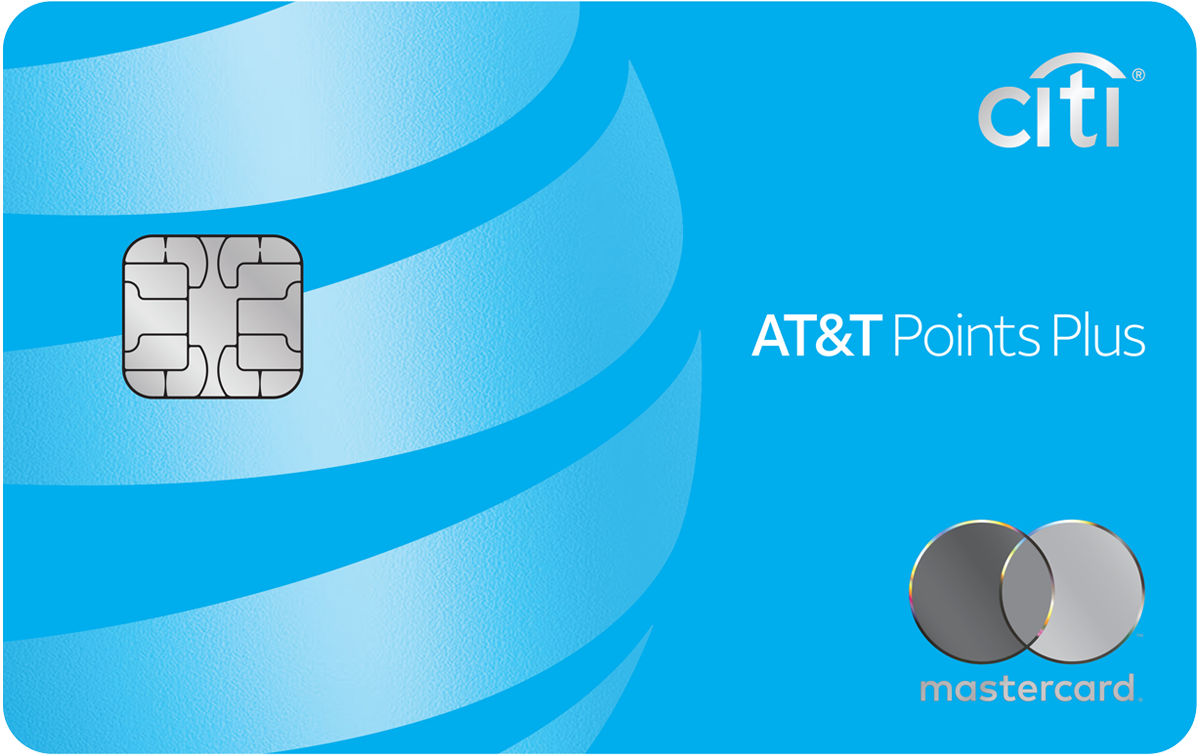
- Earn a $200 statement credit after you spend $1,000 on purchases in the first 3 months of account opening.
- Earn a $10 per line monthly discount on your AT&T wireless bill and a $10 monthly discount on your eligible AT&T internet bill when enrolled in AutoPay and paperless billing at AT&T.
- Earn a $20 statement credit on your AT&T Points Plus® Card from Citi each billing cycle after you spend $1,000 or more on purchases. That's up to $240 a year!
- Earn 3 ThankYou® Points for every $1 spent at gas and EV charging stations.
- Earn 2 ThankYou® Points for every $1 spent at grocery stores and 2 ThankYou® Points for every $1 spent on AT&T products and services.
- Earn 1 ThankYou® Point for every $1 spent on all other purchases.
- Earn unlimited points that do not expire and redeem them your way. Choose from gift cards, travel rewards, online shopping at participating merchants and more.
- No Annual Fee.
Ollo Everyday Rewards
- See if you are Pre-Approved with no impact to your credit score
- 3% cash back at gas and EV charging stations, grocery stores and drugstores
- 1% cash back on all other purchases
- No expiration dates and no limit to how much you can earn
- No annual fee
- Automatic review for credit line increase in as little as 6 months
- No surprise fees: No over-the-limit, no returned payment and no foreign transaction fees. Plus, no rate hike for making a late payment
- Zero Fraud Liability
- CLICK HERE TO APPLY ONLINE
Imagine® Visa® Credit Card
- Earn Cash Back Rewards* – 3% on Eligible Gas, Groceries, and Utilities, and 1% on All Other Eligible Purchases
- Up to $1,000 credit limit subject to credit approval
- $0 fraud liability**
- No Security Deposit
- The Imagine Card is issued by WebBank
- Review Cardholder Agreement for rate and fee information
*See Program Terms for important information about the cash back rewards program.
**Zero liability subject to Visa’s Zero Liability Policy. - CLICK HERE TO APPLY ONLINE
Destiny® Mastercard® - Up to 3% Cashback Rewards
- A rewards card for people with less-than-perfect credit!
- Fuel your savings! Get 3% Cashback Rewards on your first $5,000 in gas, grocery, restaurant, & mobile phone service purchases!
- A guaranteed $700 credit limit to help you build access to credit, if approved.
- With Cashback Rewards, you get to live like an A-lister.
- Zero Fraud Liability - Peace of mind that comes with having a Mastercard.
- Join over a million consumers who use the Destiny Mastercard to help build their access to credit.
- No security deposit required—get started today!
- CLICK HERE TO APPLY ONLINE
Aspire® Cash Back Rewards Mastercard
- Earn Cash Back Rewards* – 3% on Eligible Gas, Groceries, and Utilities, and 1% on All Other Eligible Purchases
- Up to $1,000 credit limit subject to credit approval
- Prequalify** without affecting your credit score
- No security deposit
- Free Access to your Credit Score†
*See Program Terms for important information about the cash back rewards program.
** Prequalify means that you authorize us to make a soft inquiry into your credit history (that will not affect your credit) to create an offer. If you accept an offer a hard inquiry will be made. Final approval is not guaranteed if you do not meet all applicable criteria (including adequate proof of ability to repay). Income verification through access to your bank account information may be required.
† Your credit score will be available in your online account starting 60 days after your account is opened. (Registration required.) The free VantageScore 4.0 credit score provided by TransUnion® is for educational purposes only. This score may not be used by The Bank of Missouri (the issuer of this card) or other creditors to make credit decisions.
Fortiva® Cash Back Rewards Mastercard
- Earn Cash Back Rewards* – 3% on Eligible Gas, Groceries, and Utilities, and 1% on All Other Eligible Purchases
- Use Anywhere Mastercard is Accepted
- No Security Deposit
- $0 fraud liability**
- Free access to your Credit Score†
*See Program Terms for important information about the cash back rewards program.
**Fraud liability subject to Mastercard rules.
† Your credit score will be available in your online account starting 60 days after your account is opened. (Registration required.) The free VantageScore 4.0 credit score provided by TransUnion® is for educational purposes only. This score may not be used by The Bank of Missouri (the issuer of this card) or other creditors to make credit decisions. - CLICK HERE TO APPLY ONLINE
Found this guide helpful? Save this for later as you continue your financial journey!
Compare a variety of credit card offers.
FICO® Credit Scores
A FICO® Score is a proprietary credit score created by the Fair Isaac Corporation (FICO). About 90% of top U.S. lenders use it to make lending decisions.
FICO® Score Ranges:
- Exceptional: 800–850
- Very Good: 740–799
- Good: 670–739
- Fair: 580–669
- Poor: 300–579
FICO categorizes scores as Poor, Fair, Good, Very Good, and Exceptional.
What is a Credit Score?
A credit score is a three-digit number (300–850) predicting your creditworthiness. Lenders use it to evaluate risk and determine rates and terms for credit.
Why it matters: A higher score can help you qualify for loans and lower interest rates. A lower score can lead to higher borrowing costs or application denials.
FICO® Credit Score Facts
- Three-Digit Number: Summarizes your credit risk.
- Range: 300–850; higher scores = lower risk.
- Data Source: Uses your credit reports from Experian, Equifax, and TransUnion.
- Industry Standard: Lenders rely on FICO for mortgages, auto loans, and credit cards.
Note: Credit scores reflect your creditworthiness but do not guarantee approval for any credit product.
Security Notice: All participating issuers use secure application systems protected by Transport Layer Security (TLS) encryption to help protect your information.
*See the online credit card applications for details about terms and conditions of credit card offers. Reasonable efforts are made to maintain accurate information. However all credit card information is presented without warranty. When you click on the " Apply Now " button you can review the credit card terms and conditions on the credit card issuer's web site.
Advertiser Disclosure: The card offers that appear on this site are from companies from which Gettingacreditcard.com may receive compensation when a customer clicks on a link, when an application is approved, or when an account is opened. This compensation may impact how and where products appear on this site (including, for example, the order in which they appear). Gettingacreditcard.com does not include all card companies or all card offers available in the marketplace.