
Dining & Restaurant Rewards Credit Cards
Earning rewards on everyday dining can make every meal more valuable. Dining and restaurant rewards credit cards are designed to give you points, miles, or cashback when you spend at restaurants, cafes, fast-casual spots, and even food delivery services. These cards can help you maximize your spending by turning meals into rewards for travel, gift cards, statement credits, or other perks.
How Dining Rewards Credit Cards Work
These credit cards typically give bonus points or cashback for restaurant purchases, sometimes including groceries or meal delivery services. Most cards allow you to redeem rewards for travel, gift cards, statement credits, or partner loyalty programs. Understanding the redemption options can help you extract the highest value from your rewards.
Additionally, some cards include extra perks such as no foreign transaction fees, access to exclusive dining experiences, and purchase protection. Using your card strategically — like combining it with bonus categories or special promotions — can accelerate rewards accumulation.
Benefits of Restaurant Rewards Cards
Dining rewards cards provide several advantages beyond points and cashback:
- Enhanced rewards: Earn multiple points per dollar spent on meals.
- Sign-up bonuses: Many cards offer introductory points or rewards after meeting spending thresholds in the first few months.
- Flexibility: Redeem points for travel, gift cards, statement credits, or other rewards.
- Extra perks: Some cards provide dining credits, exclusive experiences, or no foreign transaction fees.
Tips to Maximize Dining Rewards
To get the most from your restaurant rewards credit card, follow these strategies:
- Track bonus categories to earn extra points on qualifying purchases.
- Combine rewards with other promotions, such as seasonal offers or dining programs.
- Redeem points for high-value options, like travel or partner loyalty programs, rather than lower-value cash back if maximizing rewards is your goal.
- Use your card consistently for dining purchases to accumulate rewards faster.
Why Consider a Dining Rewards Credit Card
If you regularly eat out or order delivery, a dining rewards card can make every meal more rewarding. These cards not only provide financial benefits but can also enhance your dining experiences through exclusive offers and perks. Whether your goal is to earn travel points, cashback, or gift cards, these cards offer a way to get more value from your everyday spending.
By choosing a card that aligns with your dining habits, you can earn meaningful rewards while enjoying the convenience and flexibility of a rewards program tailored to food lovers.
Costco Anywhere Visa® Card by Citi
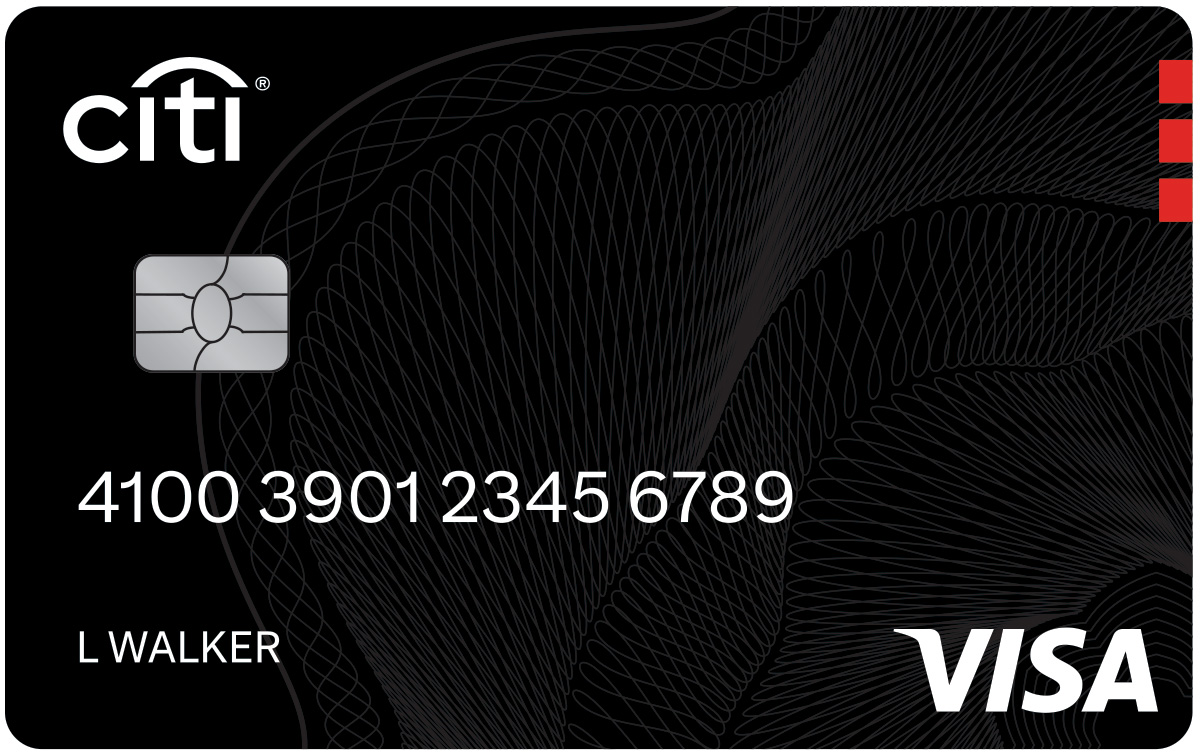
- Discover one of Citi's best cash back rewards cards designed exclusively for Costco members
- Earn 5% cash back rewards on gas at Costco and earn 4% cash back on other eligible gas and electric vehicle (EV) charging purchases for the first $7,000 combined spend per year, and then 1% thereafter.
- 3% cash back on restaurants and eligible travel purchases and eligible travel, including Costco Travel.
- 2% cash back on all other purchases from Costco and Costco.com
- 1% cash back on all other purchases
- No annual fee with your paid Costco membership and enjoy no foreign transaction fees on purchases
- Receive an annual credit card reward certificate, which is redeemable for cash or merchandise at U.S. Costco warehouses, including Puerto Rico
Citi Strata℠ Card
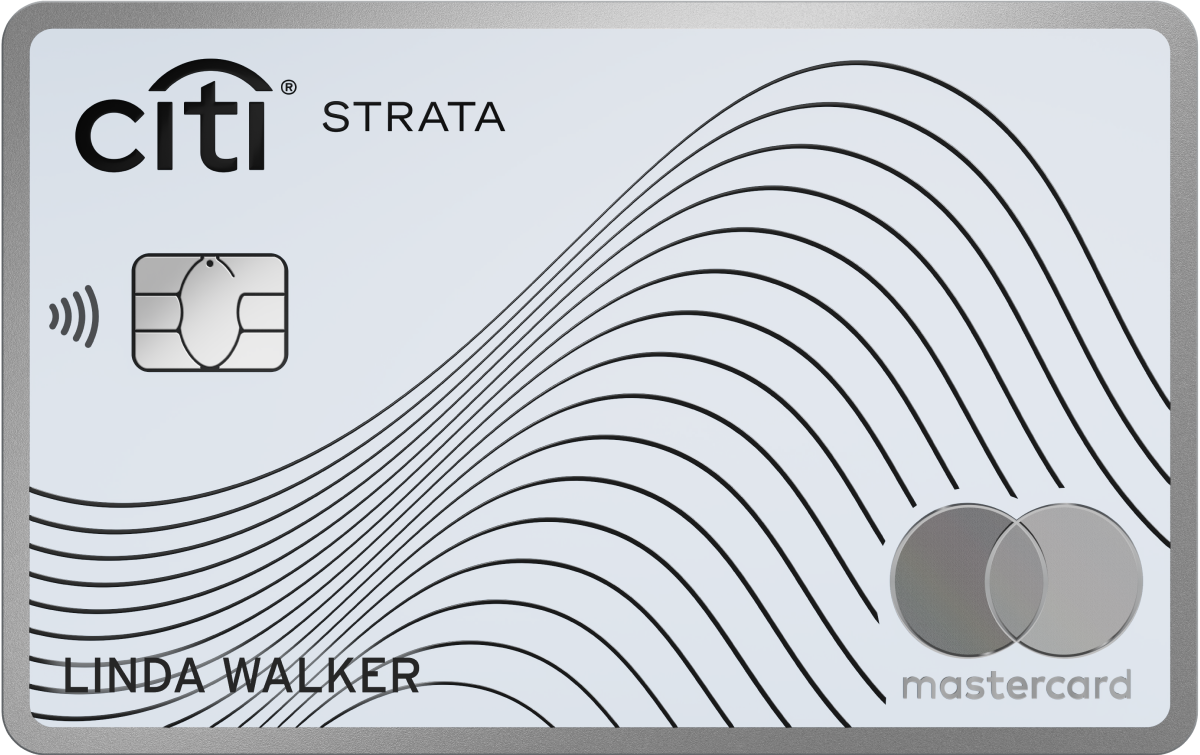
- Earn 20,000 bonus Points after spending $1,000 in the first 3 months of account opening.
- 0% Intro APR on balance transfers and purchases for 15 months; after that, the variable APR will be 18.74% - 28.74%, based on your creditworthiness. There is an intro balance transfer fee of 3% of each transfer (minimum $5) completed within the first 4 months of account opening. After that, your fee will be 5% of each transfer (minimum $5).
- Earn 3 ThankYou® Points for each $1 spent in an eligible Self-Select Category of your choice (Fitness Clubs, Select Streaming Services, Live Entertainment, Cosmetic Stores/Barber Shops/Hair Salons, or Pet Supply Stores). Choose your eligible Self-Select Category on Citi Online or by calling customer service. The default Self-Select Category is Select Streaming Services.
- Earn 5 ThankYou® Points for each $1 spent on Hotels, Car Rentals and Attractions booked on Citi Travel® via cititravel.com; earn 3 ThankYou Points for each $1 spent at Supermarkets, on Select Transit purchases, and at Gas & EV Charging Stations.
- Earn 2 ThankYou® Points for each $1 spent at Restaurants; earn 1 ThankYou® Point for each $1 spent on All Other Purchases.
- No Annual Fee
Citi Strata Elite℠ Card
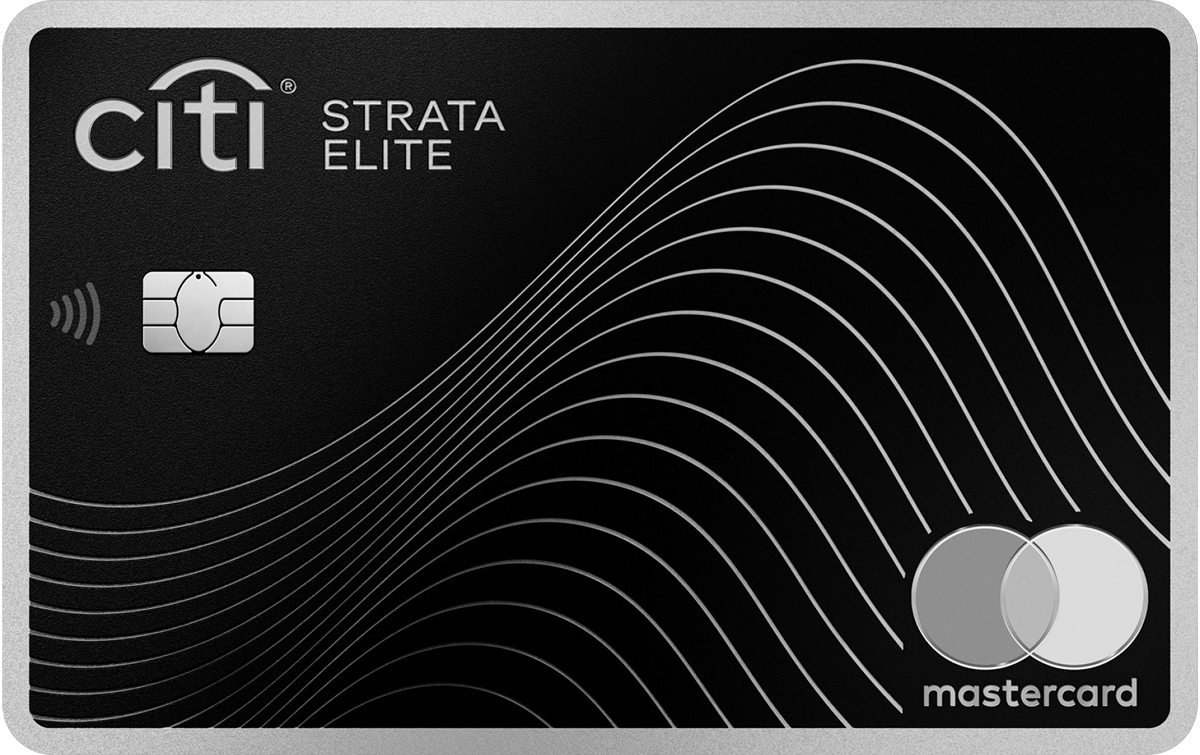
- Earn 75,000 bonus Points after spending $6,000 in the first 3 months of account opening.
- Earn 12 Points per $1 spent on Hotels, Car Rentals, and Attractions booked on cititravel.com and 6 Points per $1 spent on Air Travel booked on cititravel.com
- Earn 6 Points per $1 spent at Restaurants including Restaurant Delivery Services on CitiNights℠ purchases, every Friday and Saturday from 6 PM to 6 AM ET. Earn 3 Points per $1 spent any other time
- Earn 1.5 Points per $1 spent on All Other Purchases
- Up to $300 Annual Hotel Benefit: Each calendar year, enjoy up to $300 off a hotel stay of two nights or more when booked through cititravel.com.
- No Foreign Transaction Fees
Destiny® Mastercard® - Up to 3% Cashback Rewards
- A rewards card for people with less-than-perfect credit!
- Fuel your savings! Get 3% Cashback Rewards on your first $5,000 in gas, grocery, restaurant, & mobile phone service purchases!
- A guaranteed $700 credit limit to help you build access to credit, if approved.
- With Cashback Rewards, you get to live like an A-lister.
- Zero Fraud Liability - Peace of mind that comes with having a Mastercard.
- Join over a million consumers who use the Destiny Mastercard to help build their access to credit.
- No security deposit required—get started today!
- CLICK HERE TO APPLY ONLINE
Found this guide helpful? Save this for later as you continue your financial journey!
Compare a variety of credit card offers.
FICO® Credit Scores
A FICO® Score is a proprietary credit score created by the Fair Isaac Corporation (FICO). About 90% of top U.S. lenders use it to make lending decisions.
FICO® Score Ranges:
- Exceptional: 800–850
- Very Good: 740–799
- Good: 670–739
- Fair: 580–669
- Poor: 300–579
FICO categorizes scores as Poor, Fair, Good, Very Good, and Exceptional.
What is a Credit Score?
A credit score is a three-digit number (300–850) predicting your creditworthiness. Lenders use it to evaluate risk and determine rates and terms for credit.
Why it matters: A higher score can help you qualify for loans and lower interest rates. A lower score can lead to higher borrowing costs or application denials.
FICO® Credit Score Facts
- Three-Digit Number: Summarizes your credit risk.
- Range: 300–850; higher scores = lower risk.
- Data Source: Uses your credit reports from Experian, Equifax, and TransUnion.
- Industry Standard: Lenders rely on FICO for mortgages, auto loans, and credit cards.
Note: Credit scores reflect your creditworthiness but do not guarantee approval for any credit product.
Security Notice: All participating issuers use secure application systems protected by Transport Layer Security (TLS) encryption to help protect your information.
*See the online credit card applications for details about terms and conditions of credit card offers. Reasonable efforts are made to maintain accurate information. However all credit card information is presented without warranty. When you click on the " Apply Now " button you can review the credit card terms and conditions on the credit card issuer's web site.
Advertiser Disclosure: The card offers that appear on this site are from companies from which Gettingacreditcard.com may receive compensation when a customer clicks on a link, when an application is approved, or when an account is opened. This compensation may impact how and where products appear on this site (including, for example, the order in which they appear). Gettingacreditcard.com does not include all card companies or all card offers available in the marketplace.