
Low Interest Credit Cards with No Annual Fee
Low interest credit cards with no annual fee are ideal for consumers who want to carry a balance while minimizing the cost of interest. These cards combine a low APR with no yearly fee, helping you save money over time compared to high-interest or fee-heavy credit cards.
Whether you're looking to reduce existing debt or simply want a more affordable credit option, choosing a card with a low interest rate and no annual fee can make a significant difference in how much you pay in the long run.
Featured Card for Low Interest & No Annual Fee
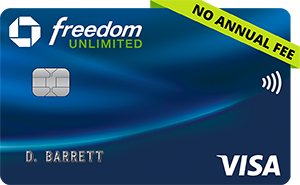
Check Out the Chase Freedom Unlimited® Card
The Chase Freedom Unlimited® Card is a strong option for those looking for a low introductory APR and no annual fee. It offers a 0% intro APR period on purchases and balance transfers, making it a smart choice for financing larger expenses or managing short-term balances.
In addition to its low interest benefits, this card also provides cash back rewards, giving you extra value while keeping borrowing costs low.
Why Choose a Low Interest Credit Card with No Annual Fee?
Many credit cards charge high interest rates, making it expensive to carry a balance from month to month. A low APR credit card reduces the amount of interest you pay, while a no annual fee structure ensures you’re not paying just to keep the account open.
- Lower interest costs: Pay less over time if you carry a balance
- No annual fee: Keep more money in your pocket each year
- Better for debt management: Ideal for balance transfers or large purchases
- Long-term value: Great for ongoing use without added yearly cost
0% Intro APR vs. Low Ongoing APR
Some of the best low interest credit cards offer a 0% introductory APR for a limited time, followed by a standard APR after the promotional period ends. Others provide a consistently low ongoing APR without an intro offer.
If you plan to pay off a balance within a set timeframe, a 0% intro APR card may offer the most savings. If you expect to carry a balance longer-term, a card with a low ongoing APR may be the better choice.
How to Choose the Right Card
When comparing low interest credit cards with no annual fee, consider the following factors:
- APR range: Look for the lowest possible ongoing interest rate
- Intro offers: 0% APR promotions can provide short-term savings
- Fees: Watch for balance transfer or late payment fees
- Credit requirements: Some of the best options require good or excellent credit
Tips to Save Even More on Interest
- Pay more than the minimum whenever possible
- Make payments early to reduce average daily balance
- Avoid new debt while paying down existing balances
- Use 0% intro APR periods strategically
Low interest credit cards with no annual fee work best when used as a tool to reduce debt or finance large purchases responsibly. Keeping your balance under control while taking advantage of low APR offers can significantly reduce the total cost of borrowing.
Citi® Diamond Preferred® Card
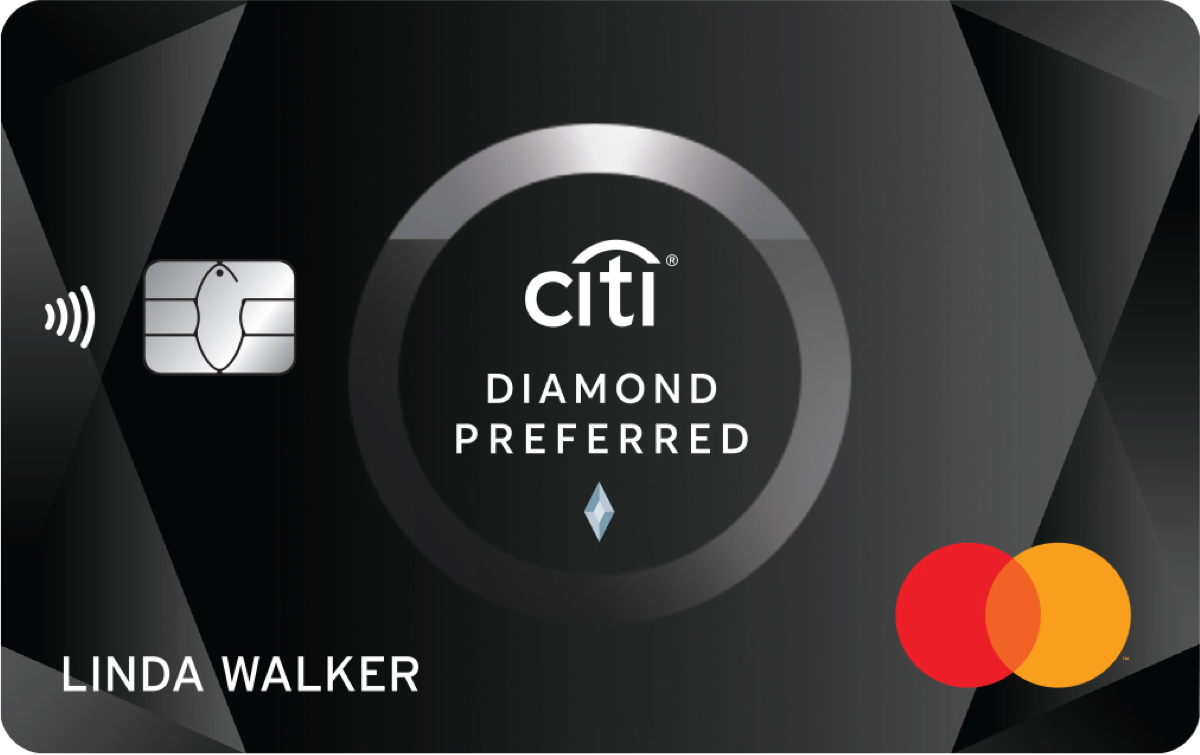
- 0% Intro APR on balance transfers for 21 months and on purchases for 12 months from date of account opening. After that the variable APR will be 16.74% - 27.49%, based on your creditworthiness. Balance transfers must be completed within 4 months of account opening.
- There is an intro balance transfer fee of 3% of each transfer (minimum $5) completed within the first 4 months of account opening. After that, your fee will be 5% of each transfer (minimum $5).
- No Annual Fee - our low intro rates and all the benefits don't come with a yearly charge.
- Buy now and pay later. Split your payment for eligible purchases of $75 or more into a fixed payment with Citi® Flex Pay.
- Get free access to your FICO® Score online.
Found this guide helpful? Save this for later as you continue your financial journey!
Compare a variety of credit card offers.
FICO® Credit Scores
A FICO® Score is a proprietary credit score created by the Fair Isaac Corporation (FICO). About 90% of top U.S. lenders use it to make lending decisions.
FICO® Score Ranges:
- Exceptional: 800–850
- Very Good: 740–799
- Good: 670–739
- Fair: 580–669
- Poor: 300–579
FICO categorizes scores as Poor, Fair, Good, Very Good, and Exceptional.
What is a Credit Score?
A credit score is a three-digit number (300–850) predicting your creditworthiness. Lenders use it to evaluate risk and determine rates and terms for credit.
Why it matters: A higher score can help you qualify for loans and lower interest rates. A lower score can lead to higher borrowing costs or application denials.
FICO® Credit Score Facts
- Three-Digit Number: Summarizes your credit risk.
- Range: 300–850; higher scores = lower risk.
- Data Source: Uses your credit reports from Experian, Equifax, and TransUnion.
- Industry Standard: Lenders rely on FICO for mortgages, auto loans, and credit cards.
Note: Credit scores reflect your creditworthiness but do not guarantee approval for any credit product.
Security Notice: All participating issuers use secure application systems protected by Transport Layer Security (TLS) encryption to help protect your information.
*See the online credit card applications for details about terms and conditions of credit card offers. Reasonable efforts are made to maintain accurate information. However all credit card information is presented without warranty. When you click on the " Apply Now " button you can review the credit card terms and conditions on the credit card issuer's web site.
Advertiser Disclosure: The card offers that appear on this site are from companies from which Gettingacreditcard.com may receive compensation when a customer clicks on a link, when an application is approved, or when an account is opened. This compensation may impact how and where products appear on this site (including, for example, the order in which they appear). Gettingacreditcard.com does not include all card companies or all card offers available in the marketplace.