
Mastercard Credit Cards: Which One Fits Your Spending?
Mastercard credit cards are widely accepted and offer a variety of rewards, perks, and card types. Whether you’re seeking cashback, travel rewards, or low interest, understanding MasterCard can help you select a card that aligns with your financial goals.
Why Choose a Mastercard?
Mastercard is part of a globally recognized “open-loop” network, partnering with banks and credit unions to issue cards. Mastercard processes transactions while issuers handle accounts and credit lines. This network ensures acceptance at millions of merchants worldwide.
- Global acceptance at over 100 million merchants in more than 200 countries.
- Variety of cards from cashback and travel rewards to low-interest and no annual fee options.
- Tiered benefits depending on card level, including extended warranties, rental car insurance, and fraud protection.
How to Decide Which Mastercard Is Right for You
Choosing the right Mastercard involves understanding how it compares to other networks such as Visa, American Express, and Discover.
Mastercard is an open-loop network, meaning it partners with many issuers who manage accounts and credit lines, while Mastercard handles transaction processing. This differs from closed-loop networks like Amex and Discover, which issue and process cards directly.
Key considerations:
- Frequent international travelers: Mastercard offers broad global acceptance. Consider pairing with Amex for premium perks, with a backup card for coverage gaps.
- Domestic spending: Focus on rewards and perks from the card issuer.
- Maximizing rewards: Use multiple networks strategically — Mastercard for everyday expenses, Amex/Discover for bonus categories.
- Building credit: Secured Mastercard cards are reliable starting points for establishing or rebuilding credit.
Top Mastercard Card Categories
Reduce interest and manage existing debt with low-rate balance transfer options. 💵 Cashback Rewards Mastercards
Earn cashback on everyday purchases like groceries, gas, and dining. ✈️ Travel Rewards Mastercards
Earn points or miles for flights, hotels, and more while enjoying travel benefits. 💳 No Annual Fee Mastercards
Enjoy MasterCard perks without paying an annual fee.
Final Thoughts
Mastercard offers a balance of broad acceptance, flexible options, and useful benefits. By understanding the network and exploring cards that match your financial goals, you can select a MasterCard that fits your lifestyle while maximizing rewards and minimizing fees.
Citi Strata℠ Card
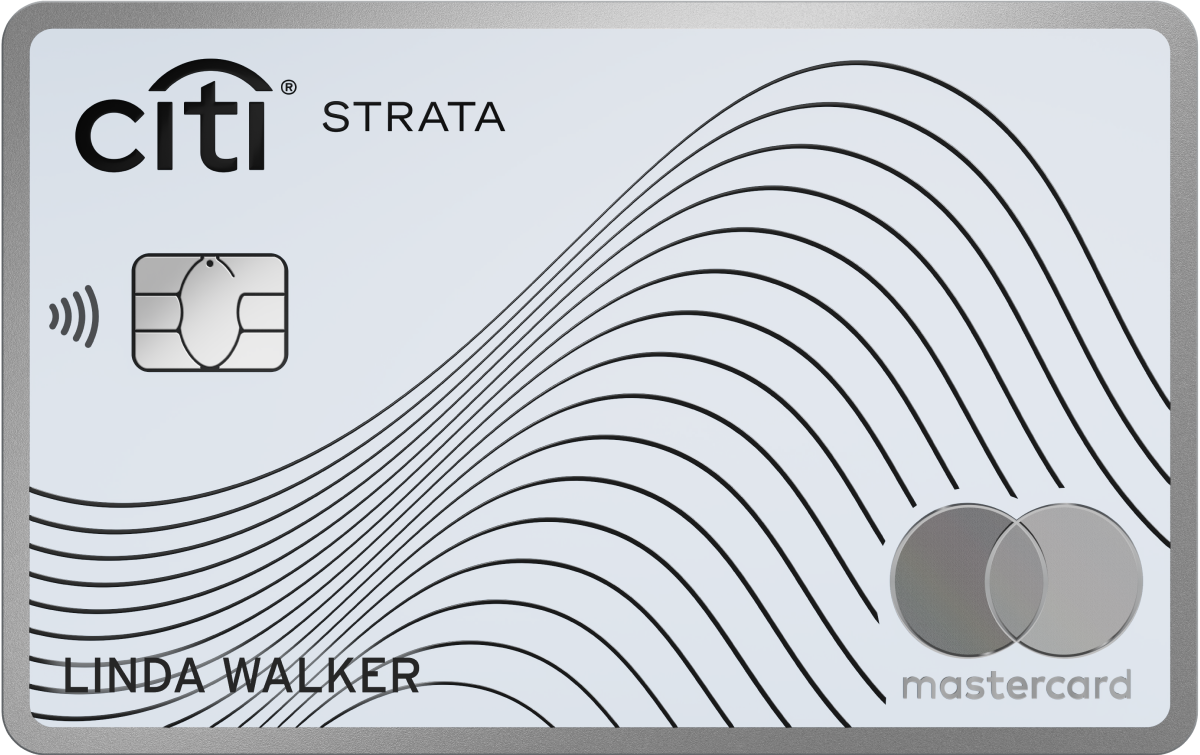
- Earn 20,000 bonus Points after spending $1,000 in the first 3 months of account opening.
- 0% Intro APR on balance transfers and purchases for 15 months; after that, the variable APR will be 18.74% - 28.74%, based on your creditworthiness. There is an intro balance transfer fee of 3% of each transfer (minimum $5) completed within the first 4 months of account opening. After that, your fee will be 5% of each transfer (minimum $5).
- Earn 3 ThankYou® Points for each $1 spent in an eligible Self-Select Category of your choice (Fitness Clubs, Select Streaming Services, Live Entertainment, Cosmetic Stores/Barber Shops/Hair Salons, or Pet Supply Stores). Choose your eligible Self-Select Category on Citi Online or by calling customer service. The default Self-Select Category is Select Streaming Services.
- Earn 5 ThankYou® Points for each $1 spent on Hotels, Car Rentals and Attractions booked on Citi Travel® via cititravel.com; earn 3 ThankYou Points for each $1 spent at Supermarkets, on Select Transit purchases, and at Gas & EV Charging Stations.
- Earn 2 ThankYou® Points for each $1 spent at Restaurants; earn 1 ThankYou® Point for each $1 spent on All Other Purchases.
- No Annual Fee
Citi Strata Elite℠ Card
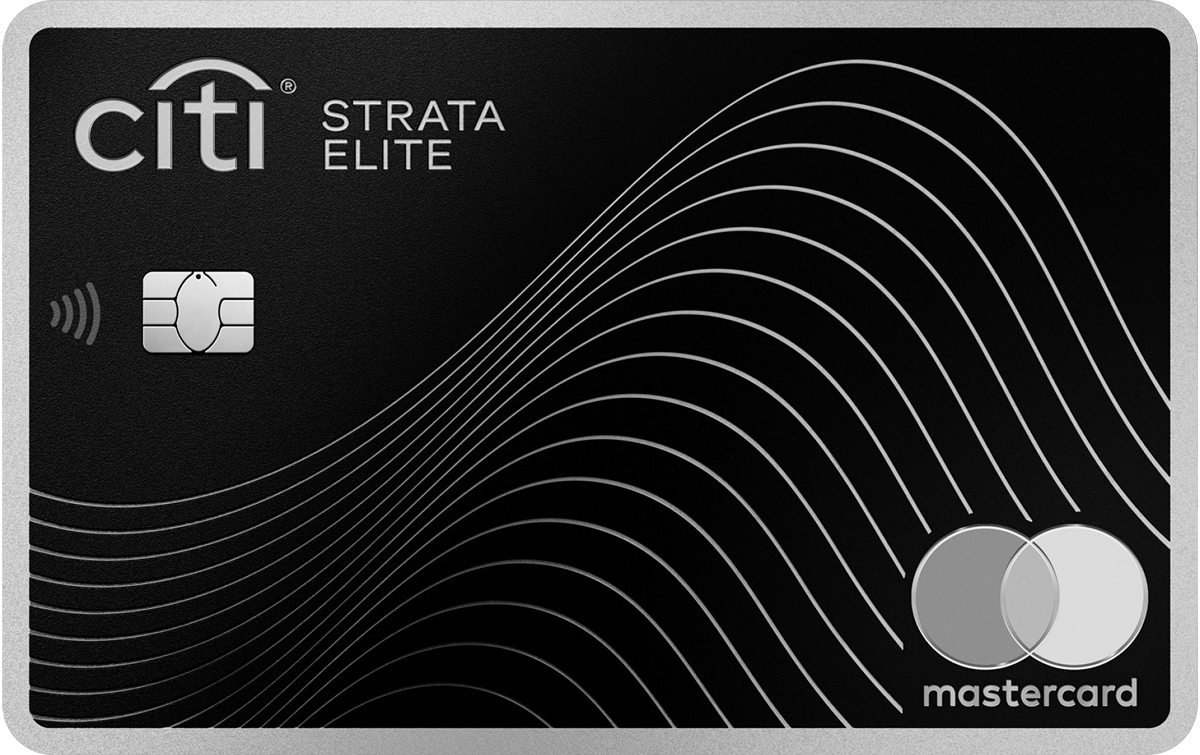
- Earn 75,000 bonus Points after spending $6,000 in the first 3 months of account opening.
- Earn 12 Points per $1 spent on Hotels, Car Rentals, and Attractions booked on cititravel.com and 6 Points per $1 spent on Air Travel booked on cititravel.com
- Earn 6 Points per $1 spent at Restaurants including Restaurant Delivery Services on CitiNights℠ purchases, every Friday and Saturday from 6 PM to 6 AM ET. Earn 3 Points per $1 spent any other time
- Earn 1.5 Points per $1 spent on All Other Purchases
- Up to $300 Annual Hotel Benefit: Each calendar year, enjoy up to $300 off a hotel stay of two nights or more when booked through cititravel.com.
- No Foreign Transaction Fees
Citi® Diamond Preferred® Card
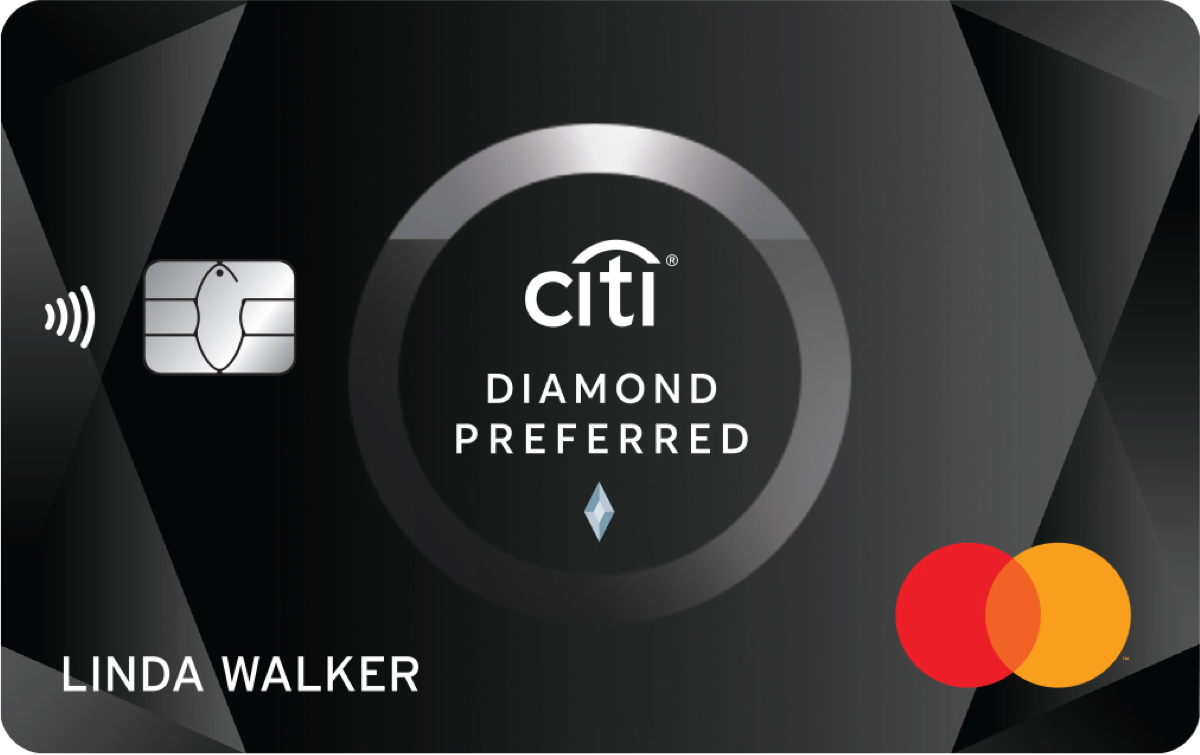
- 0% Intro APR on balance transfers for 21 months and on purchases for 12 months from date of account opening. After that the variable APR will be 16.74% - 27.49%, based on your creditworthiness. Balance transfers must be completed within 4 months of account opening.
- There is an intro balance transfer fee of 3% of each transfer (minimum $5) completed within the first 4 months of account opening. After that, your fee will be 5% of each transfer (minimum $5).
- No Annual Fee - our low intro rates and all the benefits don't come with a yearly charge.
- Buy now and pay later. Split your payment for eligible purchases of $75 or more into a fixed payment with Citi® Flex Pay.
- Get free access to your FICO® Score online.
AT&T Points Plus® Card from Citi
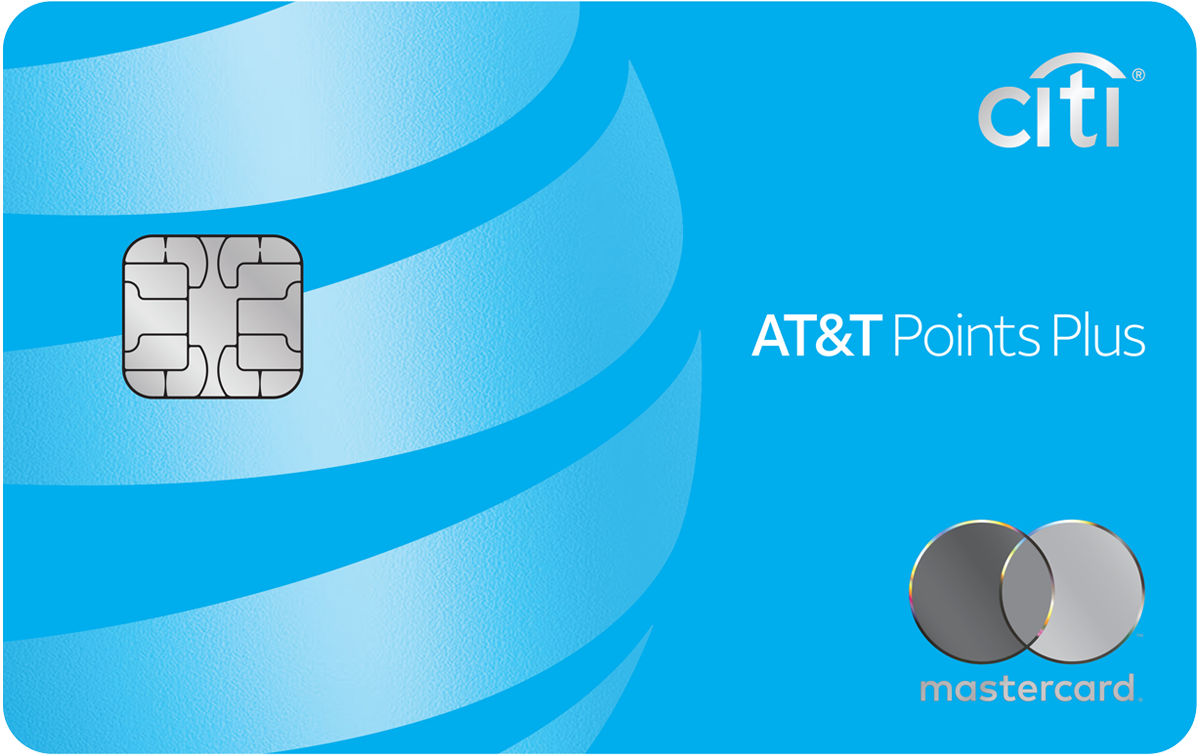
- Earn a $200 statement credit after you spend $1,000 on purchases in the first 3 months of account opening.
- Earn a $10 per line monthly discount on your AT&T wireless bill and a $10 monthly discount on your eligible AT&T internet bill when enrolled in AutoPay and paperless billing at AT&T.
- Earn a $20 statement credit on your AT&T Points Plus® Card from Citi each billing cycle after you spend $1,000 or more on purchases. That's up to $240 a year!
- Earn 3 ThankYou® Points for every $1 spent at gas and EV charging stations.
- Earn 2 ThankYou® Points for every $1 spent at grocery stores and 2 ThankYou® Points for every $1 spent on AT&T products and services.
- Earn 1 ThankYou® Point for every $1 spent on all other purchases.
- Earn unlimited points that do not expire and redeem them your way. Choose from gift cards, travel rewards, online shopping at participating merchants and more.
- No Annual Fee.
Ollo Everyday Rewards
- See if you are Pre-Approved with no impact to your credit score
- 3% cash back at gas and EV charging stations, grocery stores and drugstores
- 1% cash back on all other purchases
- No expiration dates and no limit to how much you can earn
- No annual fee
- Automatic review for credit line increase in as little as 6 months
- No surprise fees: No over-the-limit, no returned payment and no foreign transaction fees. Plus, no rate hike for making a late payment
- Zero Fraud Liability
- CLICK HERE TO APPLY ONLINE
OneMain BrightWay® Card
- See if you're pre-approved with no impact to your credit score.
- Qualify for rewards like a credit limit increase (subject to credit approval) or APR decrease in as little as six months.
- Earn unlimited 1% cash back on purchases.
- Building your credit? We report to the major credit bureaus and good payment habits can pay off.
- Easily manage your account and make payments using BrightWay App.
- BrightWay cards are issued by WebBank.
- See the OneMain BrightWay® Card rates and fees.*
- CLICK HERE TO APPLY ONLINE
Avant® Essentials Mastercard® for Gas, Grocery, and Subscriptions
- 3% Unlimited Cash Back on Select Gas, Grocery, and Subscription Purchases, Everywhere MasterCard is accepted. Cash back will be awarded as points redeemable for a statement credit; Walmart, Amazon, and Target excluded†
- No Limit on Monthly Rewards Earned
- Fast and easy application process
- Conveniently pay your card through the online portal
- Disclosure: If you are charged interest, the charge will be no less than $1.00
- Avant branded credit products are issued by WebBank
- Eligibility for a card is not guaranteed. Your eligibility for a card depends on the information you provide in your application
- ^See the Provider’s terms for more information
- †See the Rewards Terms and Conditions for more information
- CLICK HERE TO APPLY ONLINE
Indigo® Mastercard® - $1,000 Credit Limit
- Get the credit limit you deserve—$1,000 guaranteed if approved
- Apply with Confidence! There is no impact to your credit score if you’re not approved. See terms.
- Get the credit you deserve, even with less-than-perfect history.
- Trusted by more than a million customers with reporting to all three major credit bureaus so you get credit for all of your hard work.
- Zero Fraud Liability - Peace of mind that comes with having a Mastercard.
- Don't Have Perfect Credit? No Problem!
- No security deposit, just purchasing power.
- CLICK HERE TO APPLY ONLINE
Indigo® Mastercard® for Less than Perfect Credit
- Get the credit limit you deserve—$700 guaranteed if approved
- Apply with Confidence! There is no impact to your credit score if you’re not approved. See terms.
- Get the credit you deserve, even with less-than-perfect history.
- Trusted by more than a million customers with reporting to all three major credit bureaus so you get credit for all of your hard work.
- Zero Fraud Liability - Peace of mind that comes with having a Mastercard.
- Don't Have Perfect Credit? No Problem!
- No security deposit, just purchasing power.
- CLICK HERE TO APPLY ONLINE
Destiny® Mastercard® with $1,000 Credit Limit
- Get a guaranteed $1,000 credit limit if approved!
- Apply with Confidence! There is no impact to your credit score if you’re not approved. See terms.
- Join over a million consumers who use the Destiny Mastercard to help build their access to credit.
- Zero Fraud Liability - Peace of mind that comes with having a Mastercard.
- Get the credit you deserve, even with less-than-perfect history.
- No security deposit, and a path to better credit.
- CLICK HERE TO APPLY ONLINE
Destiny® Mastercard® - Up to 3% Cashback Rewards
- A rewards card for people with less-than-perfect credit!
- Fuel your savings! Get 3% Cashback Rewards on your first $5,000 in gas, grocery, restaurant, & mobile phone service purchases!
- A guaranteed $700 credit limit to help you build access to credit, if approved.
- With Cashback Rewards, you get to live like an A-lister.
- Zero Fraud Liability - Peace of mind that comes with having a Mastercard.
- Join over a million consumers who use the Destiny Mastercard to help build their access to credit.
- No security deposit required—get started today!
- CLICK HERE TO APPLY ONLINE
Destiny Mastercard®
- A guaranteed $700 credit limit to help get your financial goals on track, if approved.
- Apply with Confidence! There is no impact to your credit score if you’re not approved. See terms.
- No security deposit, and a path to better credit.
- Zero Fraud Liability - Peace of mind that comes with having a Mastercard.
- Get the credit you deserve, even with less-than-perfect history.
- An unsecured card great for everyday purchases
- CLICK HERE TO APPLY ONLINE
Destiny® Mastercard® with Instant Credit
- A guaranteed $700 credit limit to help get your financial goals on track, if approved.
- Don't wait for your card to come in the mail. If approved, add your card to your mobile wallet and shop today. See Terms.
- Apply with Confidence! There is no impact to your credit score if you’re not approved. See terms.
- No security deposit, just instant purchasing power. See Terms.
- Zero Fraud Liability - Peace of mind that comes with having a Mastercard.
- Get the credit you deserve, even with less-than-perfect history.
- CLICK HERE TO APPLY ONLINE
Milestone® Mastercard® - $1,000 Credit Limit
- Guaranteed $1,000 credit limit if approved.
- Apply with Confidence! There is no impact to your credit score if you’re not approved. See terms.
- Don't Have Perfect Credit? No Problem!
- Join over a million consumers who are working on building their access to credit.
- Zero Fraud Liability - Peace of mind that comes with having a Mastercard.
- Get the credit you deserve, even with less-than-perfect history.
- No security deposit, and a path to better credit.
- CLICK HERE TO APPLY ONLINE
Milestone® Mastercard® 1.5% Cashback Rewards
- Turn everyday purchases into 1.5% Cashback Rewards!
- A guaranteed $700 credit limit to help get your financial goals on track, if approved.
- Apply with Confidence! No Impact to your credit score if you cannot be approved. See terms.
- No upfront security deposit required so you can keep more money in your pocket.
- Join over a million consumers who are working on building their access to credit.
- Zero Fraud Liability - Peace of mind that comes with having a Mastercard.
- A rewards card for people with less than perfect credit!
- CLICK HERE TO APPLY ONLINE
Milestone® Mastercard® with Cashback Rewards
- Guaranteed $1,000 credit limit if approved.
- Fuel your savings: Earn 5% Cashback Rewards on your first $5,000 in gas purchases! See Terms.
- Apply with Confidence! There is no impact to your credit score if you’re not approved. See terms.
- Get the credit you deserve, even with less-than-perfect history.
- Zero Fraud Liability - Peace of mind that comes with having a Mastercard.
- Don't Have Perfect Credit? No Problem!
- No security deposit required—get started today!
- CLICK HERE TO APPLY ONLINE
Milestone® Mastercard®
- Guaranteed $700 credit limit if approved.
- Apply with Confidence! There is no impact to your credit score if you’re not approved. See terms.
- Don't Have Perfect Credit? No Problem!
- Join over a million consumers who are working on building their access to credit.
- Zero Fraud Liability - Peace of mind that comes with having a Mastercard.
- Get the credit you deserve, even with less-than-perfect history.
- No security deposit, and a path to better credit.
- CLICK HERE TO APPLY ONLINE
Aspire® Protect Mastercard
- Cell Phone Protection* – Receive up to $800 of replacement or repair costs if eligible cell phone is stolen or damaged.
- 24-hour Roadside Assistance*
- Up to $25,000 Identity Theft Expense Reimbursement Coverage*
- Up to $1,000 Credit Limit Subject to Credit Approval
- No Security Deposit
- $0 Fraud Liability*
- Prequalify** without affecting your Credit Score
- *Terms and Conditions apply. Click Apply Now for details.
- ** Prequalify means that you authorize us to make a soft inquiry into your credit history (that will not affect your credit) to create an offer. If you accept an offer a hard inquiry will be made. Final approval is not guaranteed if you do not meet all applicable criteria (including adequate proof of ability to repay). Income verification through access to your bank account information may be required.
Aspire® Cash Back Rewards Mastercard
- Earn Cash Back Rewards* – 3% on Eligible Gas, Groceries, and Utilities, and 1% on All Other Eligible Purchases
- Up to $1,000 credit limit subject to credit approval
- Prequalify** without affecting your credit score
- No security deposit
- Free Access to your Credit Score†
*See Program Terms for important information about the cash back rewards program.
** Prequalify means that you authorize us to make a soft inquiry into your credit history (that will not affect your credit) to create an offer. If you accept an offer a hard inquiry will be made. Final approval is not guaranteed if you do not meet all applicable criteria (including adequate proof of ability to repay). Income verification through access to your bank account information may be required.
† Your credit score will be available in your online account starting 60 days after your account is opened. (Registration required.) The free VantageScore 4.0 credit score provided by TransUnion® is for educational purposes only. This score may not be used by The Bank of Missouri (the issuer of this card) or other creditors to make credit decisions.
Fortiva® Cash Back Rewards Mastercard
- Earn Cash Back Rewards* – 3% on Eligible Gas, Groceries, and Utilities, and 1% on All Other Eligible Purchases
- Use Anywhere Mastercard is Accepted
- No Security Deposit
- $0 fraud liability**
- Free access to your Credit Score†
*See Program Terms for important information about the cash back rewards program.
**Fraud liability subject to Mastercard rules.
† Your credit score will be available in your online account starting 60 days after your account is opened. (Registration required.) The free VantageScore 4.0 credit score provided by TransUnion® is for educational purposes only. This score may not be used by The Bank of Missouri (the issuer of this card) or other creditors to make credit decisions. - CLICK HERE TO APPLY ONLINE
Avant Card
- Fast and easy application process
- We may periodically review your account for credit line increases
- Conveniently Pay Your Card Through Our Online Portal, 24/7
- Disclosure: If you are charged interest, the charge will be no less than $1.00
- Avant branded credit products are issued by WebBank
- Eligibility for a card is not guaranteed. Your eligibility for a card depends on the information you provide in your application
- ^See the Provider’s terms for more information
- CLICK HERE TO APPLY ONLINE
*See application for additional details
Avant Cash Back Rewards Card
- 2% Unlimited Cash Back on Every Purchase, Everywhere Mastercard is accepted†
- No Limit on Monthly Rewards Earned
- Fast and easy application process
- Conveniently Pay Your Card Through Our Online Portal, 24/7
- Disclosure: If you are charged interest, the charge will be no less than $1.00
- Avant branded credit products are issued by WebBank
- Eligibility for a card is not guaranteed. Your eligibility for a card depends on the information you provide in your application
- ^See the Provider’s terms for more information
- † See the Rewards Terms and Conditions for more information
- CLICK HERE TO APPLY ONLINE
*See application for additional details
Avant Cash Back Rewards Card
- 1% Unlimited Cash Back on Every Purchase, Everywhere Mastercard is accepted†
- No Limit on Monthly Rewards Earned
- Fast and easy application process
- Conveniently Pay Your Card Through Our Online Portal, 24/7
- Disclosure: If you are charged interest, the charge will be no less than $1.00
- Avant branded credit products are issued by WebBank
- Eligibility for a card is not guaranteed. Your eligibility for a card depends on the information you provide in your application
- ^See the Provider’s terms for more information
- † See the Rewards Terms and Conditions for more information
- CLICK HERE TO APPLY ONLINE
*See application for additional details
Avant Cash Back Rewards Card
- 1% Unlimited Cash Back on Every Purchase, Everywhere Mastercard is accepted†
- No Limit on Monthly Rewards Earned
- Fast and easy application process
- Conveniently Pay Your Card Through Our Online Portal, 24/7
- Disclosure: If you are charged interest, the charge will be no less than $1.00
- Avant branded credit products are issued by WebBank
- Eligibility for a card is not guaranteed. Your eligibility for a card depends on the information you provide in your application
- ^See the Provider’s terms for more information
- † See the Rewards Terms and Conditions for more information
- CLICK HERE TO APPLY ONLINE
Surge® Platinum Mastercard®
- Up to $1,000 Initial Credit Limit
- See if you Pre-Qualify with No Impact to your Credit Score
- Less than perfect credit? We understand. The Surge Mastercard is ideal for people looking to rebuild their credit.
- Unsecured credit card requires No Security Deposit
- Perfect card for everyday purchases and unexpected expenses
- Monthly reporting to the three major credit bureaus
- Use your card everywhere Mastercard is accepted at millions of locations
- Enjoy peace of mind with Mastercard Zero Liability Protection for unauthorized purchases (subject to Mastercard guidelines)
- Apply with Confidence! There is no impact to your credit score if you’re not approved.
Reflex® Platinum Mastercard®
- Up to $1,000 Initial Credit Limit
- See if you Pre-Qualify with No Impact to your Credit Score
- Less than perfect credit? We understand. The Reflex Mastercard is ideal for people looking to rebuild their credit.
- Unsecured credit card requires No Security Deposit
- Perfect card for everyday purchases and unexpected expenses
- Monthly reporting to the three major credit bureaus
- Use your card everywhere Mastercard is accepted at millions of locations
- Enjoy peace of mind with Mastercard Zero Liability Protection for unauthorized purchases (subject to Mastercard guidelines)
- Apply with Confidence! There is no impact to your credit score if you’re not approved.
FIT™ Platinum Mastercard®
- $400 Initial Credit Limit
- Less than perfect credit? We understand. The FIT Mastercard is ideal for people looking to rebuild their credit.
- Unsecured credit card requires No Security Deposit
- Perfect card for everyday purchases and unexpected expenses
- Monthly reporting to the three major credit bureaus
- Use your card everywhere Mastercard is accepted at millions of locations
- Enjoy peace of mind with Mastercard Zero Liability Protection for unauthorized purchases (subject to Mastercard guidelines)
- If approved, you must pay a $95 fee to open your account. Please see the terms and conditions for when you apply.
- CLICK HERE TO APPLY ONLINE
PREMIER Bankcard® Mastercard® Credit Card
- PREMIER Bankcard credit cards are for building credit.
- Start building credit by keeping your balances low and paying all your bills on time each month.
- When you need assistance our award-winning US-based Customer Service agents are there to help.
- Credit Limit Increase Eligible after 12 months of consistent responsible account management.
- We report monthly to the Consumer Reporting Agencies to help you build your credit.
- CLICK HERE TO APPLY ONLINE
Arro Card
- No hard inquiry to apply.
- Apply in 5 minutes or less.
- Get up to $300 with the unsecured Arro Card. Grow your credit line up to $2,500.
- Earn 1% cash back on gas & groceries, including Walmart and Target
- Instantly increase your credit limit as you master your personal finances in the Arro app.
- Reports to all 3 credit bureaus.
- The Arro Card is issued by Community Federal Savings Bank, member FDIC, pursuant to license by Mastercard International.
- CLICK HERE TO APPLY ONLINE
*Subject to terms and conditions
Atlas Rewards Credit Card
- Cash back on gas, subscriptions and more
- Safe spending limits that grow with you
- No credit history required
- CLICK HERE TO APPLY ONLINE
Merrick Bank Secured Credit Card
- Choose your own credit line based on how much money you want to put down as a security deposit.
- Initial deposits can be from $200 to $3,000. You can increase your credit line at any time by adding additional money to your security deposit, up to $3,000.
- After 9 months, we review your account for a credit line increase. No additional deposit required!
- Secured Credit Cards are great for people looking to build or rebuild credit and are available to people with all kinds of credit backgrounds.
- Unlike a debit card or a pre-paid card, it helps build your credit history. We report your payment history to all three major credit-reporting agencies.
- Get your FICO® Credit Score for free each month.
- Fraud coverage if your card is lost or stolen. Access your account 24 hours a day, 7 days a week. Get help staying on track with available Auto Pay and account alerts.
- Card issued by Merrick Bank, Member FDIC.
- CLICK HERE TO APPLY ONLINE
Found this guide helpful? Save this for later as you continue your financial journey!
Compare a variety of credit card offers.
The Ollo Everyday Rewards card is worth considering if you have bad to good credit and want a credit card with no annual fee and cash-back rewards on everyday purchases. You can see if you're pre-approved with no impact to your credit score.
FICO® Credit Scores
A FICO® Score is a proprietary credit score created by the Fair Isaac Corporation (FICO). About 90% of top U.S. lenders use it to make lending decisions.
FICO® Score Ranges:
- Exceptional: 800–850
- Very Good: 740–799
- Good: 670–739
- Fair: 580–669
- Poor: 300–579
FICO categorizes scores as Poor, Fair, Good, Very Good, and Exceptional.
What is a Credit Score?
A credit score is a three-digit number (300–850) predicting your creditworthiness. Lenders use it to evaluate risk and determine rates and terms for credit.
Why it matters: A higher score can help you qualify for loans and lower interest rates. A lower score can lead to higher borrowing costs or application denials.

FICO® Credit Score Facts
- Three-Digit Number: Summarizes your credit risk.
- Range: 300–850; higher scores = lower risk.
- Data Source: Uses your credit reports from Experian, Equifax, and TransUnion.
- Industry Standard: Lenders rely on FICO for mortgages, auto loans, and credit cards.

Note: Credit scores reflect your creditworthiness but do not guarantee approval for any credit product.
Security Notice: All participating issuers use secure application systems protected by Transport Layer Security (TLS) encryption to help protect your information.
*See the online credit card applications for details about terms and conditions of credit card offers. Reasonable efforts are made to maintain accurate information. However all credit card information is presented without warranty. When you click on the " Apply Now " button you can review the credit card terms and conditions on the credit card issuer's web site.
Advertiser Disclosure: The card offers that appear on this site are from companies from which Gettingacreditcard.com may receive compensation when a customer clicks on a link, when an application is approved, or when an account is opened. This compensation may impact how and where products appear on this site (including, for example, the order in which they appear). Gettingacreditcard.com does not include all card companies or all card offers available in the marketplace.