
Cashback Rewards Credit Cards
Maximize your everyday spending with cashback rewards credit cards. These cards let you earn a percentage of your purchases back as cash, statement credits, or rewards points. Whether you’re shopping, dining, or paying bills, cashback cards can help you get more value from your money while offering flexible redemption options.
Featured Cash Back Card
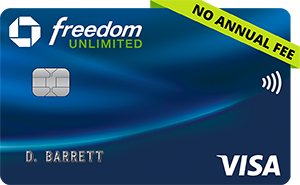
Check Out the Chase Freedom Unlimited® Card
This card is ideal for cash back rewards enthusiasts. Earn bonus cash back on everyday spending, enjoy $0 annual fees, and take advantage of flexible redemption options that let you maximize your rewards.
Click the button below to read our full review and access the application through our trusted sub-affiliate link.
How Cashback Rewards Credit Cards Work
Cashback credit cards typically offer a percentage of rewards on all purchases or higher percentages on select categories such as groceries, gas, or dining. Some cards have rotating categories that change each quarter, while others offer flat-rate cash back on every purchase. Understanding how your card calculates rewards can help you maximize your earnings.
Rewards are usually redeemable for statement credits, bank deposits, gift cards, or even travel purchases, depending on the card issuer. Many cashback cards also include extra perks like purchase protection, extended warranties, and no foreign transaction fees.
Benefits of Cashback Credit Cards
- Flexible rewards: Redeem cash back as statement credit, deposit, or gift cards.
- Bonus categories: Earn higher rewards in select categories like dining, groceries, or gas.
- Sign-up bonuses: Some cards offer introductory cash back after meeting spending thresholds in the first few months.
- Additional perks: Purchase protection, travel coverage, and other cardholder benefits.
Tips to Maximize Cashback
- Use your card for categories with the highest rewards.
- Pay attention to rotating bonus categories and activate them each quarter if required.
- Combine your card rewards with store or online promotions for extra value.
- Redeem cash back for options that give you the most value, like statement credits or travel bookings.
Why Choose a Cashback Rewards Card
Cashback credit cards are ideal for anyone who wants a simple, no-fuss way to earn rewards on everyday purchases. These cards reward you automatically for spending, giving you tangible returns that you can use however you like. Whether your goal is to save on monthly bills, fund vacations, or just enjoy some extra cash, a cashback card can help.
💸 The Ultimate Guide to Cash Back Credit Cards .
Cashback rewards credit cards are simple, flexible, and ideal for everyday spending. Prioritize cards that match your spending habits to maximize your rewards.
Costco Anywhere Visa® Card by Citi
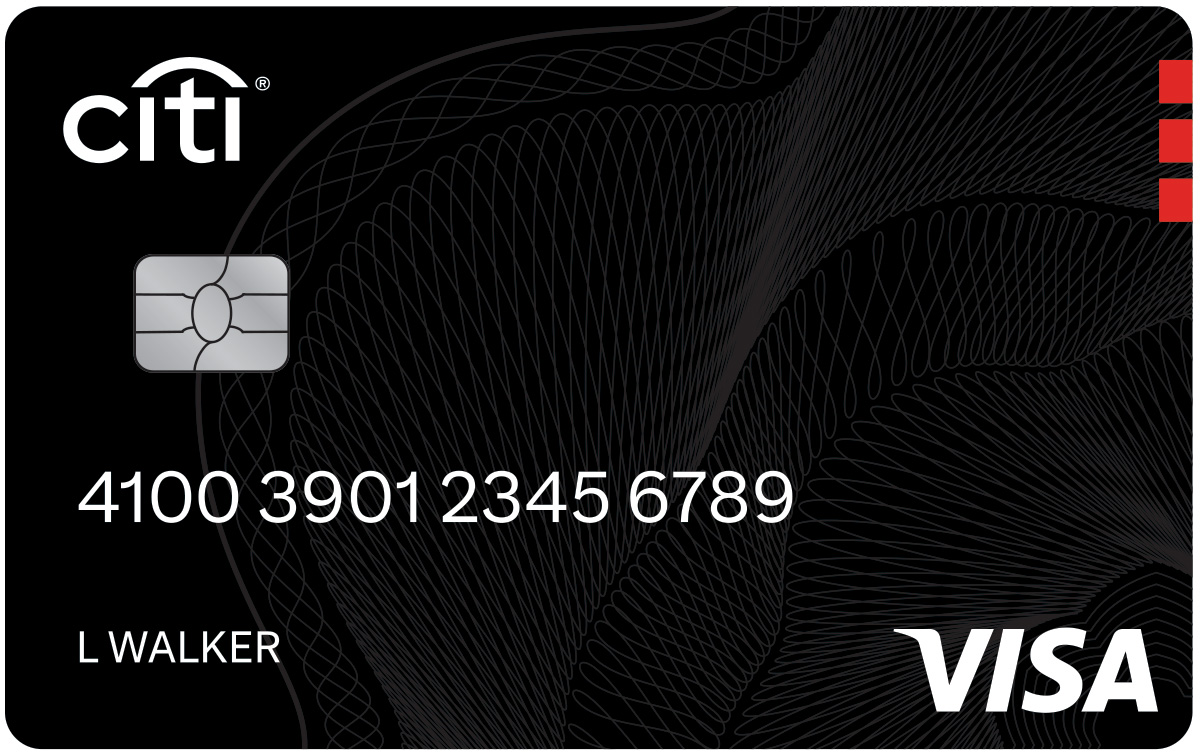
- Discover one of Citi's best cash back rewards cards designed exclusively for Costco members
- Earn 5% cash back rewards on gas at Costco and earn 4% cash back on other eligible gas and electric vehicle (EV) charging purchases for the first $7,000 combined spend per year, and then 1% thereafter.
- 3% cash back on restaurants and eligible travel purchases and eligible travel, including Costco Travel.
- 2% cash back on all other purchases from Costco and Costco.com
- 1% cash back on all other purchases
- No annual fee with your paid Costco membership and enjoy no foreign transaction fees on purchases
- Receive an annual credit card reward certificate, which is redeemable for cash or merchandise at U.S. Costco warehouses, including Puerto Rico
Ollo Everyday Rewards
- See if you are Pre-Approved with no impact to your credit score
- 3% cash back at gas and EV charging stations, grocery stores and drugstores
- 1% cash back on all other purchases
- No expiration dates and no limit to how much you can earn
- No annual fee
- Automatic review for credit line increase in as little as 6 months
- No surprise fees: No over-the-limit, no returned payment and no foreign transaction fees. Plus, no rate hike for making a late payment
- Zero Fraud Liability
- CLICK HERE TO APPLY ONLINE
Blue Cash Everyday® Card from American Express
- Apply and find out your welcome offer. As High As $200 cash back* after you spend $2,000 in purchases on your new Card within the first 6 months of Card Membership. Welcome offers vary and you may not be eligible for an offer. Apply, and if approved: 1. Find out your offer amount 2. Accept the Card with your offer 3. Spend $2,000 in 6 months 4. Receive the cash back. *Cash back is received in the form of Reward Dollars that can be redeemed for a statement credit or at Amazon.com checkout.
- No Annual Fee.
- Enjoy 0% intro APR on purchases and balance transfers for 15 months from the date of account opening. After that, your APR will be a variable APR of 19.74%-28.74%.
- Earn 3% cash back at U.S. supermarkets, 3% cash back on U.S. online retail purchases, 3% cash back at U.S. gas stations, on eligible purchases for each category on up to $6,000 per year in purchases (then 1%). Cash back is received in the form of Reward Dollars that can be redeemed as a statement credit and at Amazon.com checkout.
- Get up to a $7 monthly statement credit after using your enrolled Blue Cash Everyday® Card for a subscription purchase, including a bundle subscription purchase, at DisneyPlus.com, Hulu.com, or Stream.ESPN.com U.S. websites. Subject to auto-renewal.
- Terms Apply.
- CLICK HERE TO APPLY ONLINE
Blue Cash Preferred® Card from American Express
- Apply and find out your welcome offer. As High As $300 cash back* after you spend $3,000 in purchases on your new Card within the first 6 months of Card Membership. Welcome offers vary and you may not be eligible for an offer. Apply, and if approved: 1. Find out your offer amount 2. Accept the Card with your offer 3. Spend $3,000 in 6 months 4. Receive the cash back. *Cash back is received in the form of Reward Dollars that can be redeemed for a statement credit or at Amazon.com checkout.
- $0 intro annual fee for the first year, then $95.
- Enjoy 0% intro APR on purchases and balance transfers for 12 months from the date of account opening. After that, your APR will be a variable APR of 19.74%-28.74%.
- Plan It®: Buy now, pay later with Plan It. Split purchases of $100 or more into equal monthly installments with a fixed fee so you don’t have the pressure of paying all at once. Simply select the purchase in your online account or the American Express® App to see your plan options. Plus, you’ll still earn rewards on purchases the way you usually do.
- Earn 6% cash back at U.S. supermarkets on up to $6,000 per year in eligible purchases (then 1%), 6% cash back on select U.S. streaming subscriptions, 3% cash back at eligible U.S. gas stations and on transit (including taxis/rideshare, parking, tolls, trains, buses and more) purchases and 1% cash back on other purchases. Cash Back is received in the form of Reward Dollars that can be redeemed as a statement credit and at Amazon.com checkout.
- Get up to a $10 monthly statement credit after using your enrolled Blue Cash Preferred® Card for a subscription purchase, including a bundle subscription purchase, at DisneyPlus.com, Hulu.com, or Stream.ESPN.com U.S. websites. Subject to auto-renewal.
- Terms Apply.
- CLICK HERE TO APPLY ONLINE
Atlas Rewards Credit Card
- Cash back on gas, subscriptions and more
- Safe spending limits that grow with you
- No credit history required
- CLICK HERE TO APPLY ONLINE
Imagine® Visa® Credit Card
- Earn Cash Back Rewards* – 3% on Eligible Gas, Groceries, and Utilities, and 1% on All Other Eligible Purchases
- Up to $1,000 credit limit subject to credit approval
- $0 fraud liability**
- No Security Deposit
- The Imagine Card is issued by WebBank
- Review Cardholder Agreement for rate and fee information
*See Program Terms for important information about the cash back rewards program.
**Zero liability subject to Visa’s Zero Liability Policy. - CLICK HERE TO APPLY ONLINE
Discover it® Cash Back

- Earn 5% cash back on everyday purchases at different places you shop each quarter like grocery stores, restaurants, gas stations, and more, up to the quarterly maximum when you activate. Plus, earn unlimited 1% cash back on all other purchases. Plus, your cash back won't expire for the life of the account
- Start shopping and earning rewards in minutes with your virtual card, before your physical card arrives in the mail, if eligible.
- Get a 0% intro APR for 15 months on purchases and balance transfers. Then 17.49% to 26.49% Standard Variable Purchase APR applies, based on credit worthiness.
- Apply now and get a decision in minutes. No annual fee.
- See if you're pre-approved with no harm to your credit score
- Terms and conditions apply.
Disclaimer: We are NOT affiliated with Discover, and we do NOT receive compensation if you apply using the link below. This content is for informational purposes only, provided to help you find the credit card that best suits your needs.
Rates & Fees
Destiny® Mastercard® - Up to 3% Cashback Rewards
- A rewards card for people with less-than-perfect credit!
- Fuel your savings! Get 3% Cashback Rewards on your first $5,000 in gas, grocery, restaurant, & mobile phone service purchases!
- A guaranteed $700 credit limit to help you build access to credit, if approved.
- With Cashback Rewards, you get to live like an A-lister.
- Zero Fraud Liability - Peace of mind that comes with having a Mastercard.
- Join over a million consumers who use the Destiny Mastercard to help build their access to credit.
- No security deposit required—get started today!
- CLICK HERE TO APPLY ONLINE
Milestone® Mastercard® 1.5% Cashback Rewards
- Turn everyday purchases into 1.5% Cashback Rewards!
- A guaranteed $700 credit limit to help get your financial goals on track, if approved.
- Apply with Confidence! No Impact to your credit score if you cannot be approved. See terms.
- No upfront security deposit required so you can keep more money in your pocket.
- Join over a million consumers who are working on building their access to credit.
- Zero Fraud Liability - Peace of mind that comes with having a Mastercard.
- A rewards card for people with less than perfect credit!
- CLICK HERE TO APPLY ONLINE
OneMain BrightWay® Card
- See if you're pre-approved with no impact to your credit score.
- Qualify for rewards like a credit limit increase (subject to credit approval) or APR decrease in as little as six months.
- Earn unlimited 1% cash back on purchases.
- Building your credit? We report to the major credit bureaus and good payment habits can pay off.
- Easily manage your account and make payments using BrightWay App.
- BrightWay cards are issued by WebBank.
- See the OneMain BrightWay® Card rates and fees.*
- CLICK HERE TO APPLY ONLINE
Aspire® Cash Back Rewards Mastercard
- Earn Cash Back Rewards* – 3% on Eligible Gas, Groceries, and Utilities, and 1% on All Other Eligible Purchases
- Up to $1,000 credit limit subject to credit approval
- Prequalify** without affecting your credit score
- No security deposit
- Free Access to your Credit Score†
*See Program Terms for important information about the cash back rewards program.
** Prequalify means that you authorize us to make a soft inquiry into your credit history (that will not affect your credit) to create an offer. If you accept an offer a hard inquiry will be made. Final approval is not guaranteed if you do not meet all applicable criteria (including adequate proof of ability to repay). Income verification through access to your bank account information may be required.
† Your credit score will be available in your online account starting 60 days after your account is opened. (Registration required.) The free VantageScore 4.0 credit score provided by TransUnion® is for educational purposes only. This score may not be used by The Bank of Missouri (the issuer of this card) or other creditors to make credit decisions.
Fortiva® Cash Back Rewards Mastercard
- Earn Cash Back Rewards* – 3% on Eligible Gas, Groceries, and Utilities, and 1% on All Other Eligible Purchases
- Use Anywhere Mastercard is Accepted
- No Security Deposit
- $0 fraud liability**
- Free access to your Credit Score†
*See Program Terms for important information about the cash back rewards program.
**Fraud liability subject to Mastercard rules.
† Your credit score will be available in your online account starting 60 days after your account is opened. (Registration required.) The free VantageScore 4.0 credit score provided by TransUnion® is for educational purposes only. This score may not be used by The Bank of Missouri (the issuer of this card) or other creditors to make credit decisions. - CLICK HERE TO APPLY ONLINE
Avant Cash Back Rewards Card
- 2% Unlimited Cash Back on Every Purchase, Everywhere Mastercard is accepted†
- No Limit on Monthly Rewards Earned
- Fast and easy application process
- Conveniently Pay Your Card Through Our Online Portal, 24/7
- Disclosure: If you are charged interest, the charge will be no less than $1.00
- Avant branded credit products are issued by WebBank
- Eligibility for a card is not guaranteed. Your eligibility for a card depends on the information you provide in your application
- ^See the Provider’s terms for more information
- † See the Rewards Terms and Conditions for more information
- CLICK HERE TO APPLY ONLINE
*See application for additional details
Found this guide helpful? Save this for later as you continue your financial journey!
Compare a variety of credit card offers.
FICO® Credit Scores
A FICO® Score is a proprietary credit score created by the Fair Isaac Corporation (FICO). About 90% of top U.S. lenders use it to make lending decisions.
FICO® Score Ranges:
- Exceptional: 800–850
- Very Good: 740–799
- Good: 670–739
- Fair: 580–669
- Poor: 300–579
FICO categorizes scores as Poor, Fair, Good, Very Good, and Exceptional.
What is a Credit Score?
A credit score is a three-digit number (300–850) predicting your creditworthiness. Lenders use it to evaluate risk and determine rates and terms for credit.
Why it matters: A higher score can help you qualify for loans and lower interest rates. A lower score can lead to higher borrowing costs or application denials.
FICO® Credit Score Facts
- Three-Digit Number: Summarizes your credit risk.
- Range: 300–850; higher scores = lower risk.
- Data Source: Uses your credit reports from Experian, Equifax, and TransUnion.
- Industry Standard: Lenders rely on FICO for mortgages, auto loans, and credit cards.
Note: Credit scores reflect your creditworthiness but do not guarantee approval for any credit product.
Security Notice: All participating issuers use secure application systems protected by Transport Layer Security (TLS) encryption to help protect your information.
*See the online credit card applications for details about terms and conditions of credit card offers. Reasonable efforts are made to maintain accurate information. However all credit card information is presented without warranty. When you click on the " Apply Now " button you can review the credit card terms and conditions on the credit card issuer's web site.
Advertiser Disclosure: The card offers that appear on this site are from companies from which Gettingacreditcard.com may receive compensation when a customer clicks on a link, when an application is approved, or when an account is opened. This compensation may impact how and where products appear on this site (including, for example, the order in which they appear). Gettingacreditcard.com does not include all card companies or all card offers available in the marketplace.