
Citi® Diamond Preferred® Card 21-Month Balance Transfer Offer
The Citi® Diamond Preferred® Card is known for offering one of the longest introductory balance transfer periods currently available. With a 0% intro APR for 21 months on balance transfers, this card is designed for individuals who want to move high-interest credit card debt and pay it down over time without accumulating additional interest charges.
This extended introductory period gives cardholders nearly two years to reduce or eliminate existing balances, making it a strong option for those focused on debt consolidation and interest savings.
Affiliate Disclosure: We are a professional review site that receives compensation from the companies whose products we review and recommend. If you click on a link, when an application is approved, or when an account is opened, we may earn a commission. We are independently owned, and the opinions expressed here are our own.
How the 21-Month Balance Transfer Offer Works
When you are approved for the Citi® Diamond Preferred® Card, you can transfer balances from other eligible credit cards and take advantage of a 0% introductory APR for 21 months from the date of account opening.
- Balance transfers must be completed within the first 4 months of account opening to qualify for the intro offer.
- During the 21-month intro period, no interest is charged on transferred balances.
- After the intro period ends, any remaining balance will be subject to a variable APR of 16.74% - 27.49%, based on creditworthiness.
This structure allows you to focus on paying down the principal balance without interest increasing the total amount owed during the promotional period.
Estimate Your Potential Interest Savings
Use our Citi® Diamond Preferred® Card Balance Transfer Calculator to estimate how much interest you could save with the 21-month 0% intro APR period and balance transfer fees.
Balance Transfer Fees Explained
There is a balance transfer fee associated with each transfer:
- Intro fee: 3% of each transfer (minimum $5) completed within the first 4 months of account opening
- Standard fee: 5% of each transfer (minimum $5) after the initial 4-month period
Even with the fee, many users find that the savings from avoiding interest during the 21-month introductory period can outweigh the upfront transfer cost, depending on the size of the balance and how quickly it is repaid.
Who Should Consider This Offer
- Individuals with high-interest credit card balances
- Consumers looking to consolidate multiple balances into one payment
- Those who can realistically pay off their balance within the 21-month intro period
This offer is generally best suited for people with good to excellent credit who are focused on reducing debt rather than earning rewards.
Important Considerations
- Balance transfers must be completed within the first 4 months to qualify for the intro fee and promotional APR
- Missing payments may result in the loss of the introductory APR
- Any remaining balance after 21 months will begin accruing interest at the standard variable APR
Planning your repayment strategy in advance can help you maximize the benefit of the 0% intro APR period.
Ready to Apply or Learn More?
To view full card details, terms, and application instructions, visit our complete guide:
➤ Apply for the Citi® Diamond Preferred® Card
If you want to check whether you may qualify before submitting a formal application, see our guide to Citi® Diamond Preferred® Card pre-approval and prequalification.
Citi® Diamond Preferred® Card
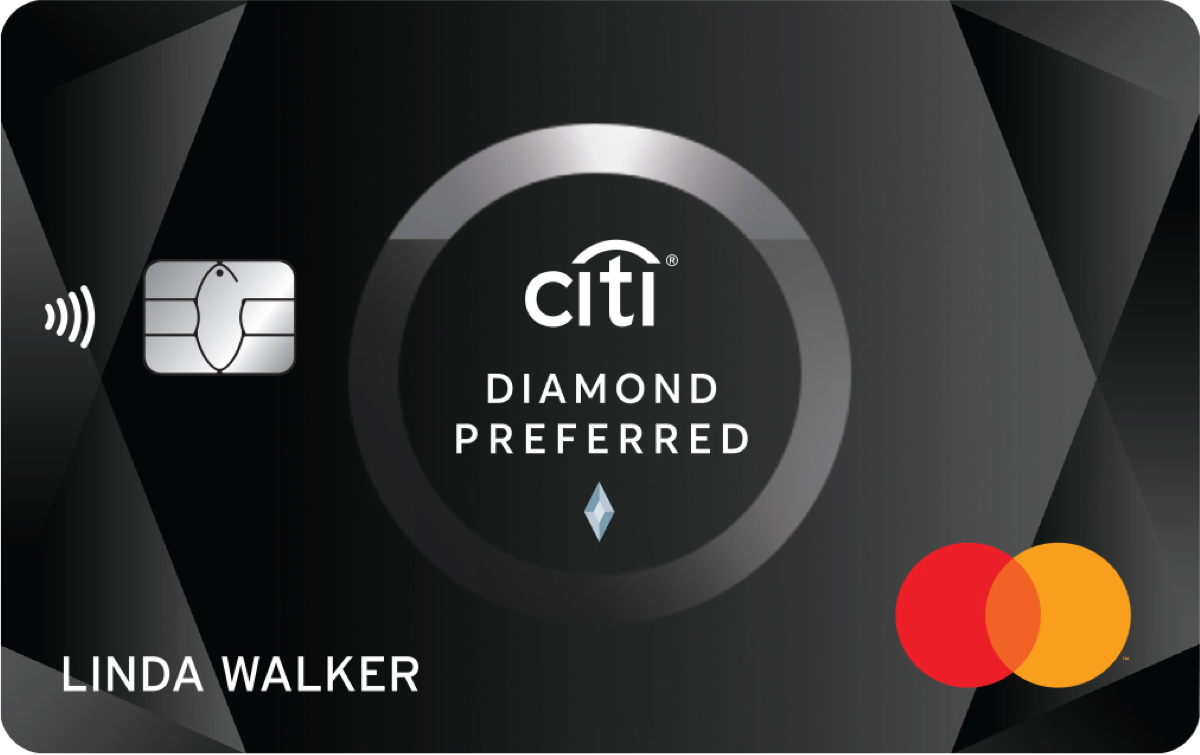
- 0% Intro APR on balance transfers for 21 months and on purchases for 12 months from date of account opening. After that the variable APR will be 16.74% - 27.49%, based on your creditworthiness. Balance transfers must be completed within 4 months of account opening.
- There is an intro balance transfer fee of 3% of each transfer (minimum $5) completed within the first 4 months of account opening. After that, your fee will be 5% of each transfer (minimum $5).
- No Annual Fee - our low intro rates and all the benefits don't come with a yearly charge.
- Buy now and pay later. Split your payment for eligible purchases of $75 or more into a fixed payment with Citi® Flex Pay.
- Get free access to your FICO® Score online.
Found this guide helpful? Save this for later as you continue your financial journey!
Compare a variety of credit card offers.
FICO® Credit Scores
A FICO® Score is a proprietary credit score created by the Fair Isaac Corporation (FICO). About 90% of top U.S. lenders use it to make lending decisions.
FICO® Score Ranges:
- Exceptional: 800–850
- Very Good: 740–799
- Good: 670–739
- Fair: 580–669
- Poor: 300–579
FICO categorizes scores as Poor, Fair, Good, Very Good, and Exceptional.
What is a Credit Score?
A credit score is a three-digit number (300–850) predicting your creditworthiness. Lenders use it to evaluate risk and determine rates and terms for credit.
Why it matters: A higher score can help you qualify for loans and lower interest rates. A lower score can lead to higher borrowing costs or application denials.

FICO® Credit Score Facts
- Three-Digit Number: Summarizes your credit risk.
- Range: 300–850; higher scores = lower risk.
- Data Source: Uses your credit reports from Experian, Equifax, and TransUnion.
- Industry Standard: Lenders rely on FICO for mortgages, auto loans, and credit cards.

Note: Credit scores reflect your creditworthiness but do not guarantee approval for any credit product.
Security Notice: All participating issuers use secure application systems protected by Transport Layer Security (TLS) encryption to help protect your information.
*See the online credit card applications for details about terms and conditions of credit card offers. Reasonable efforts are made to maintain accurate information. However all credit card information is presented without warranty. When you click on the " Apply Now " button you can review the credit card terms and conditions on the credit card issuer's web site.
Advertiser Disclosure: The card offers that appear on this site are from companies from which Gettingacreditcard.com may receive compensation when a customer clicks on a link, when an application is approved, or when an account is opened. This compensation may impact how and where products appear on this site (including, for example, the order in which they appear). Gettingacreditcard.com does not include all card companies or all card offers available in the marketplace.